

Building Luminids in Godot has given me a real appreciation for open source tools and the indie community around them.
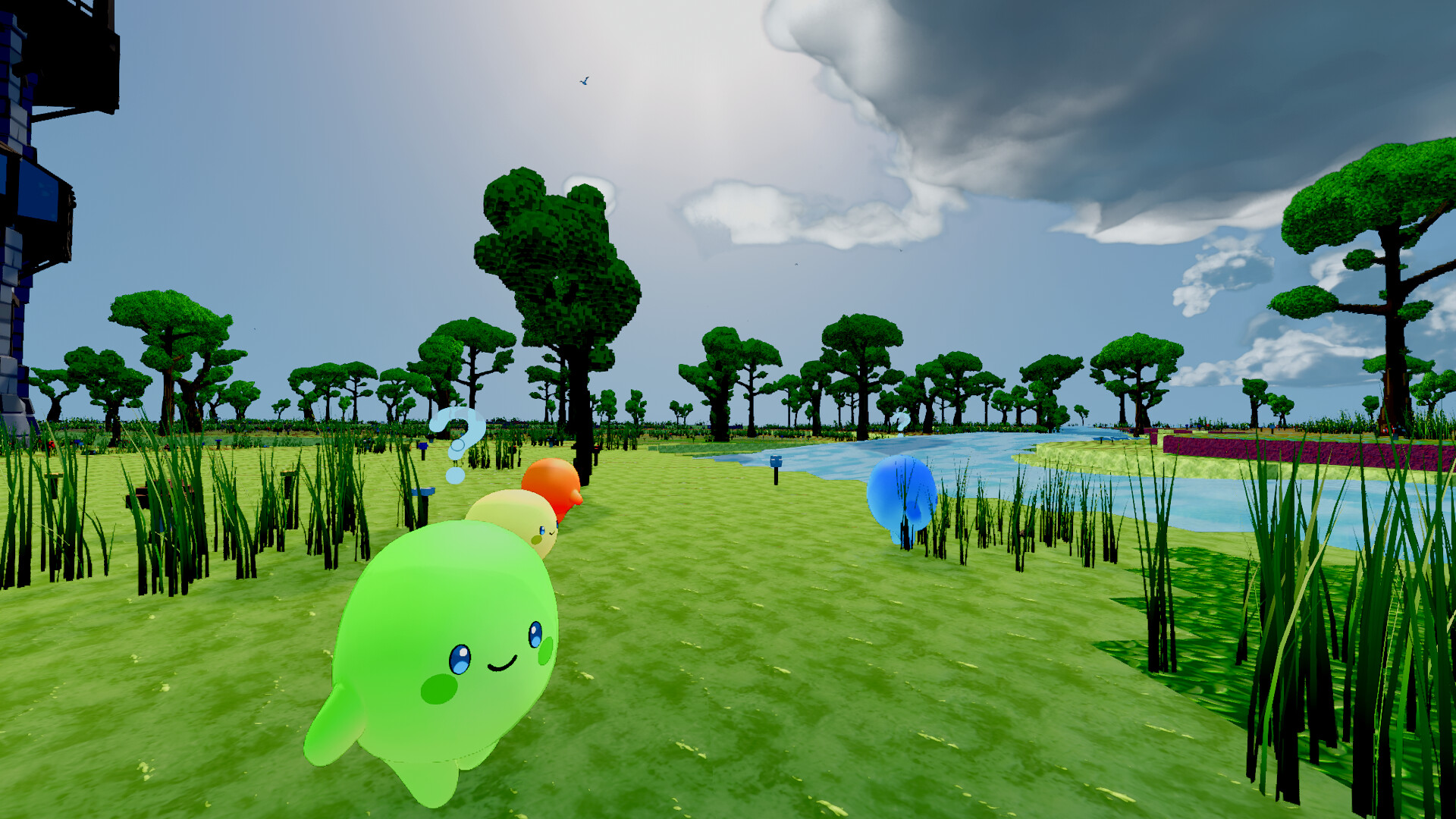
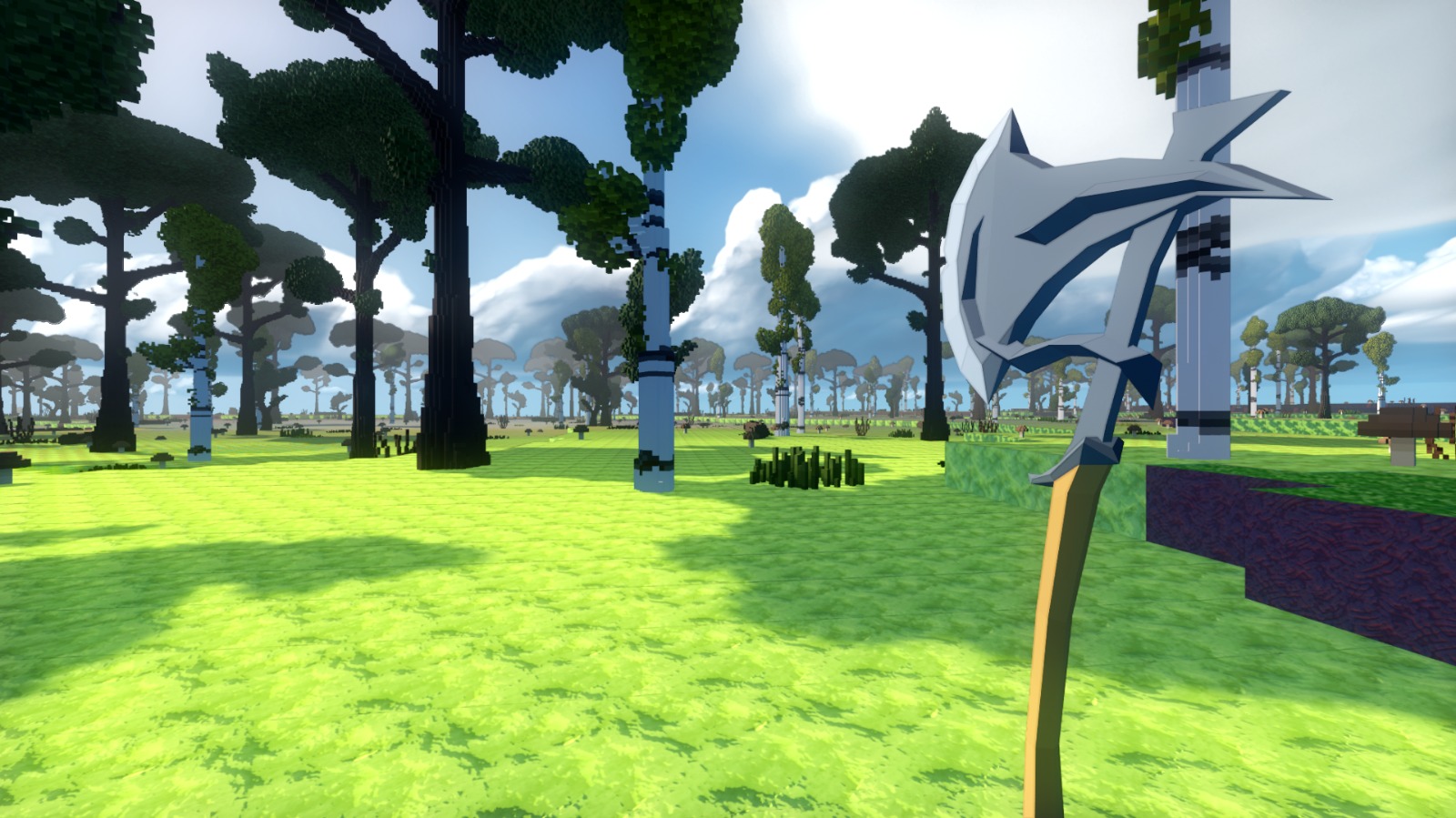
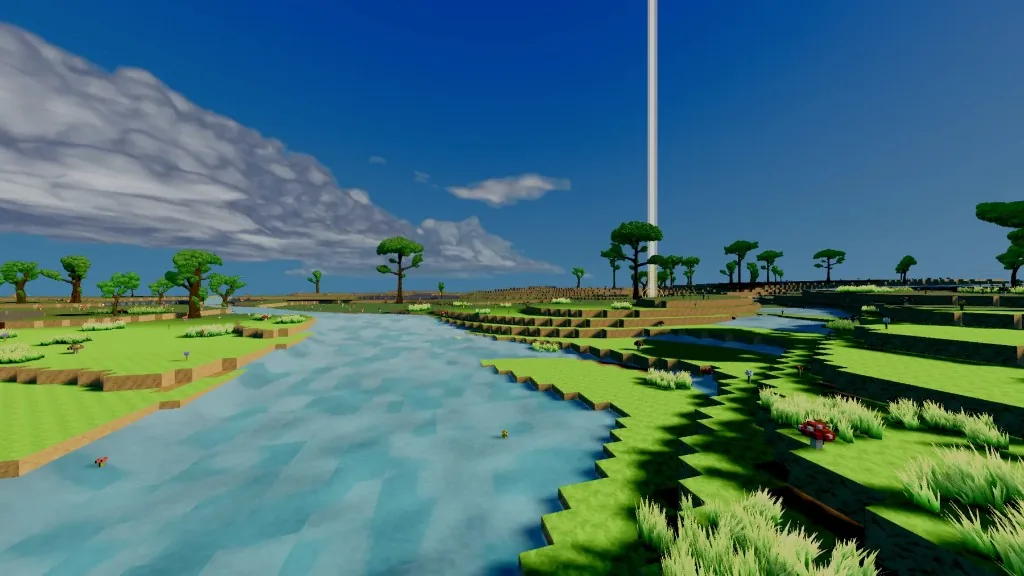
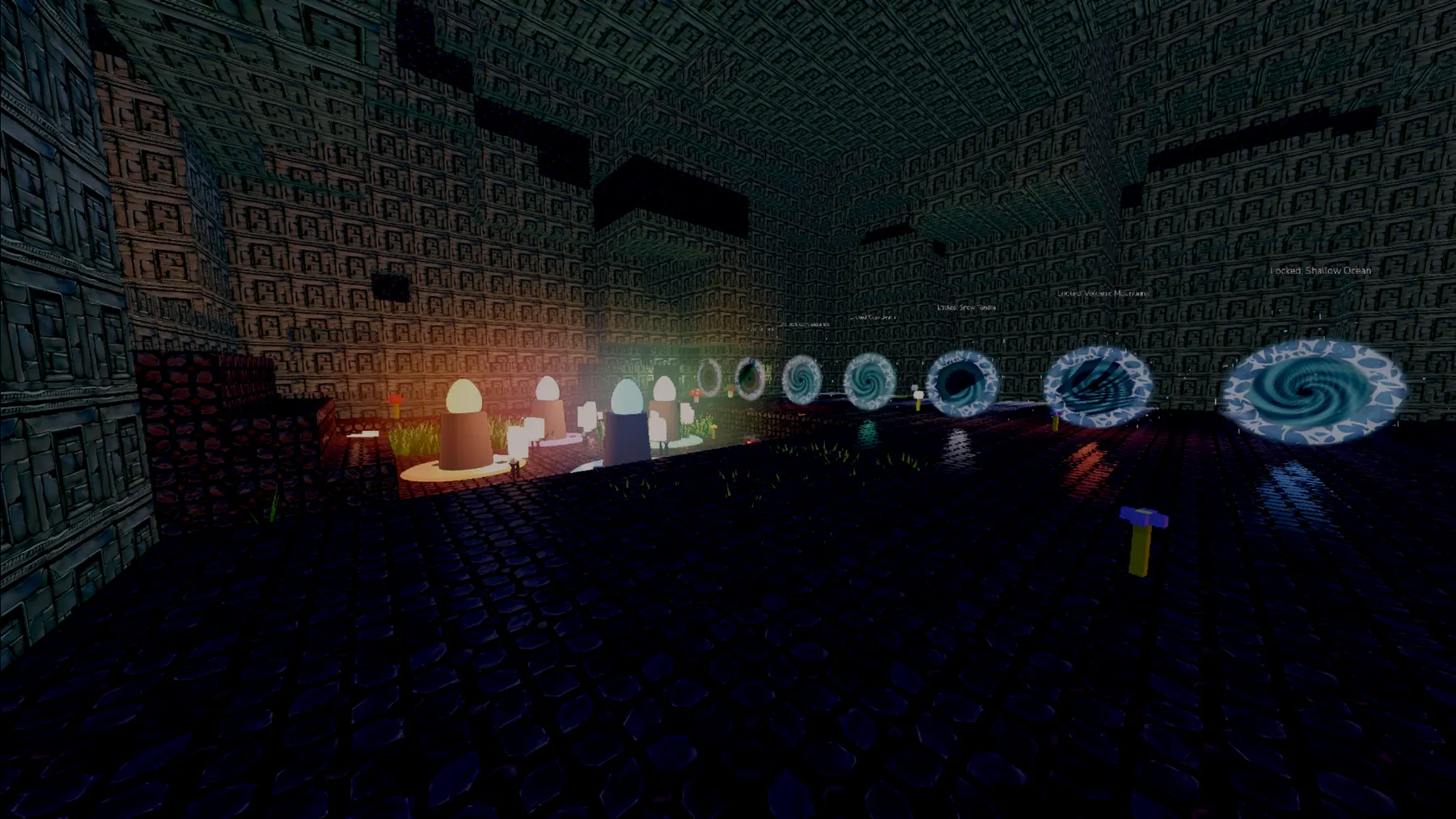
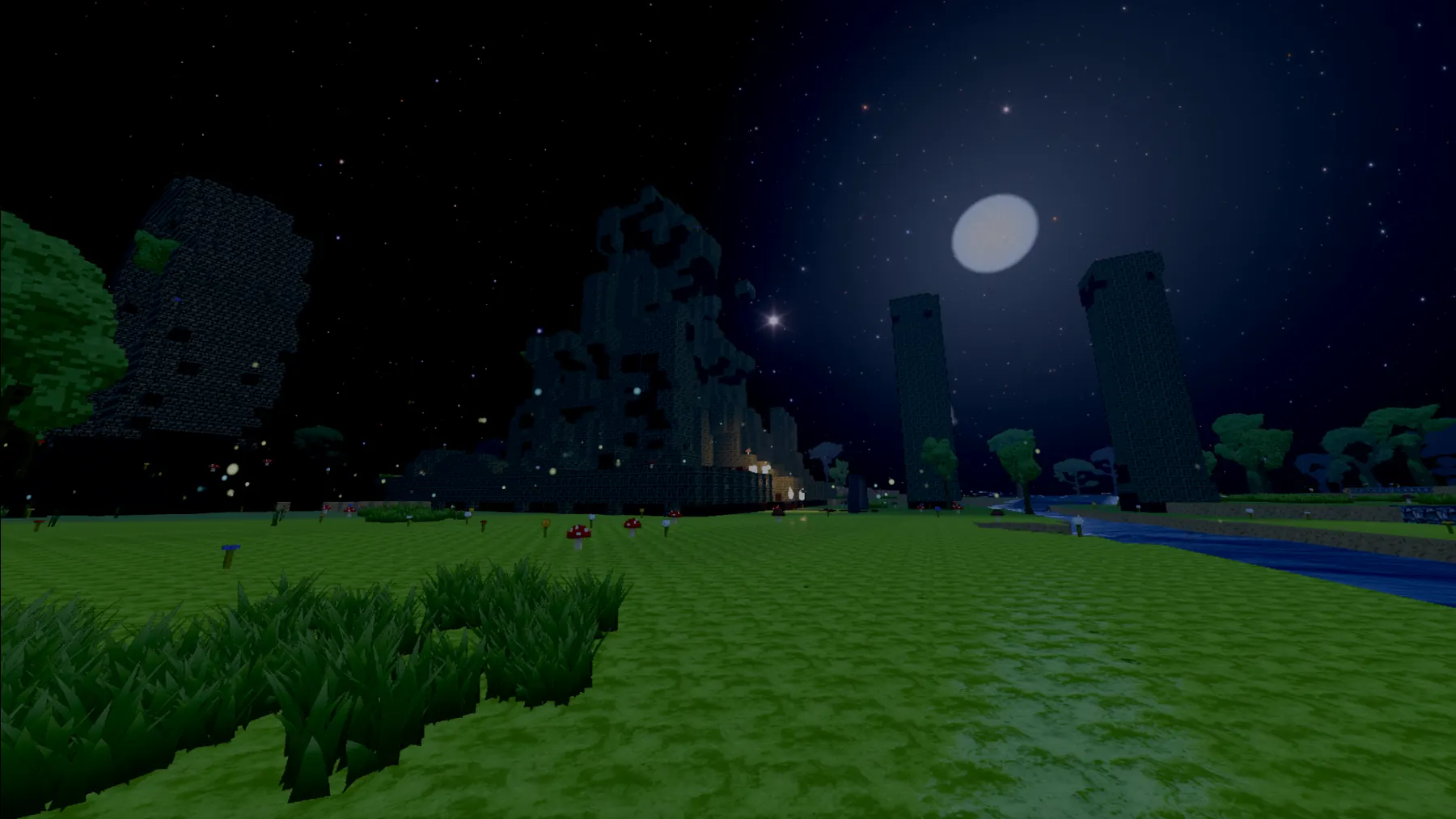
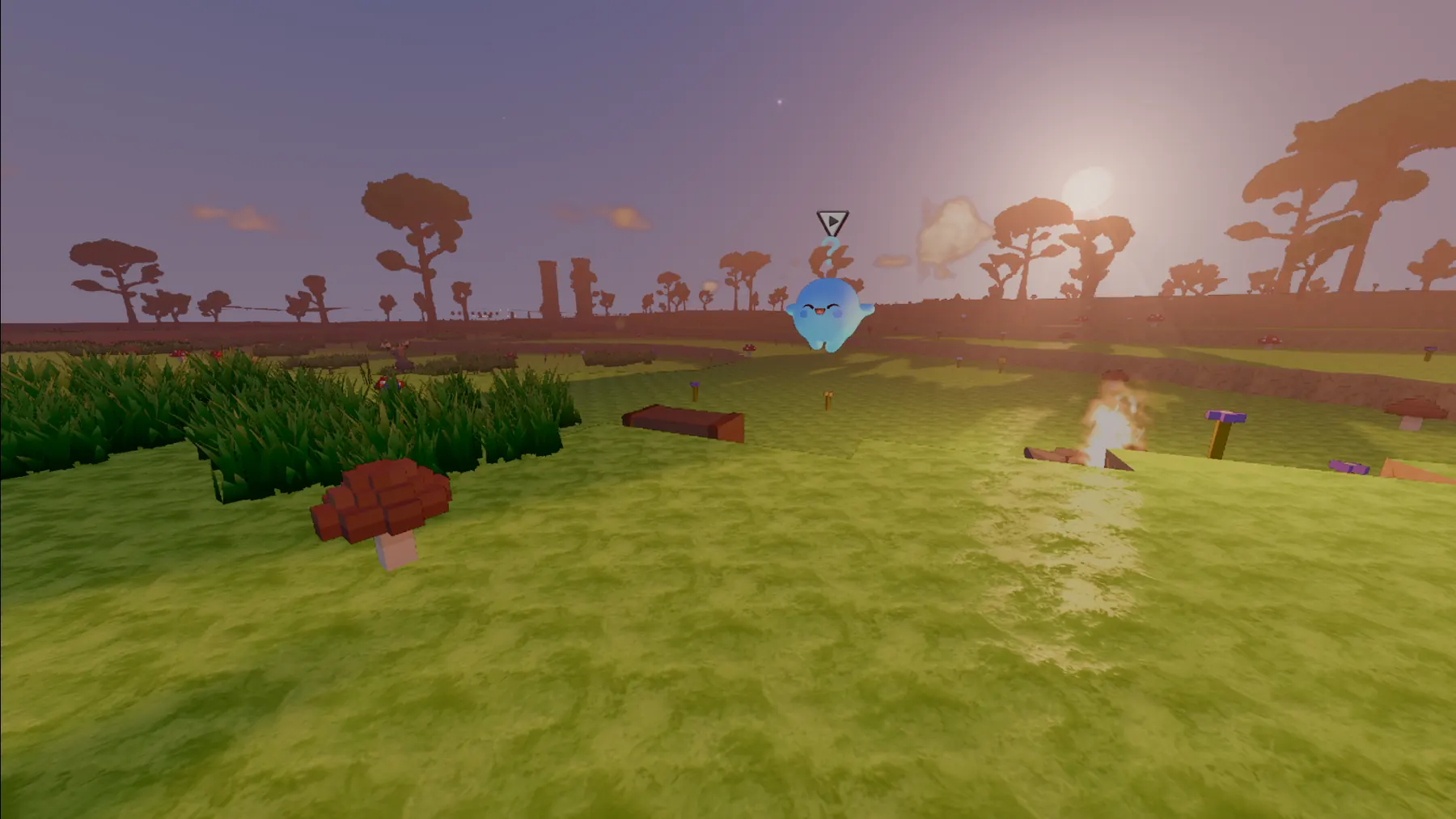
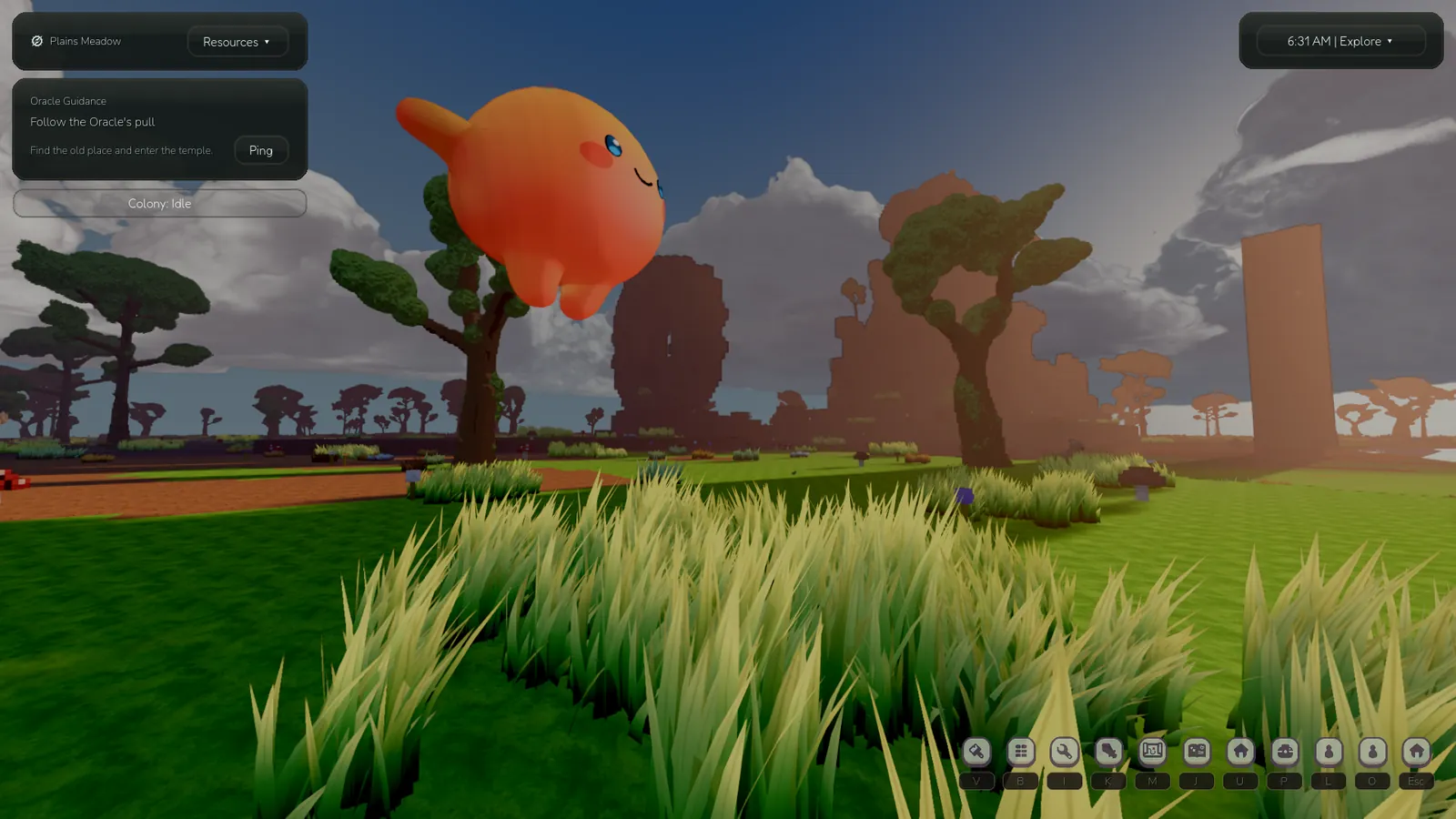
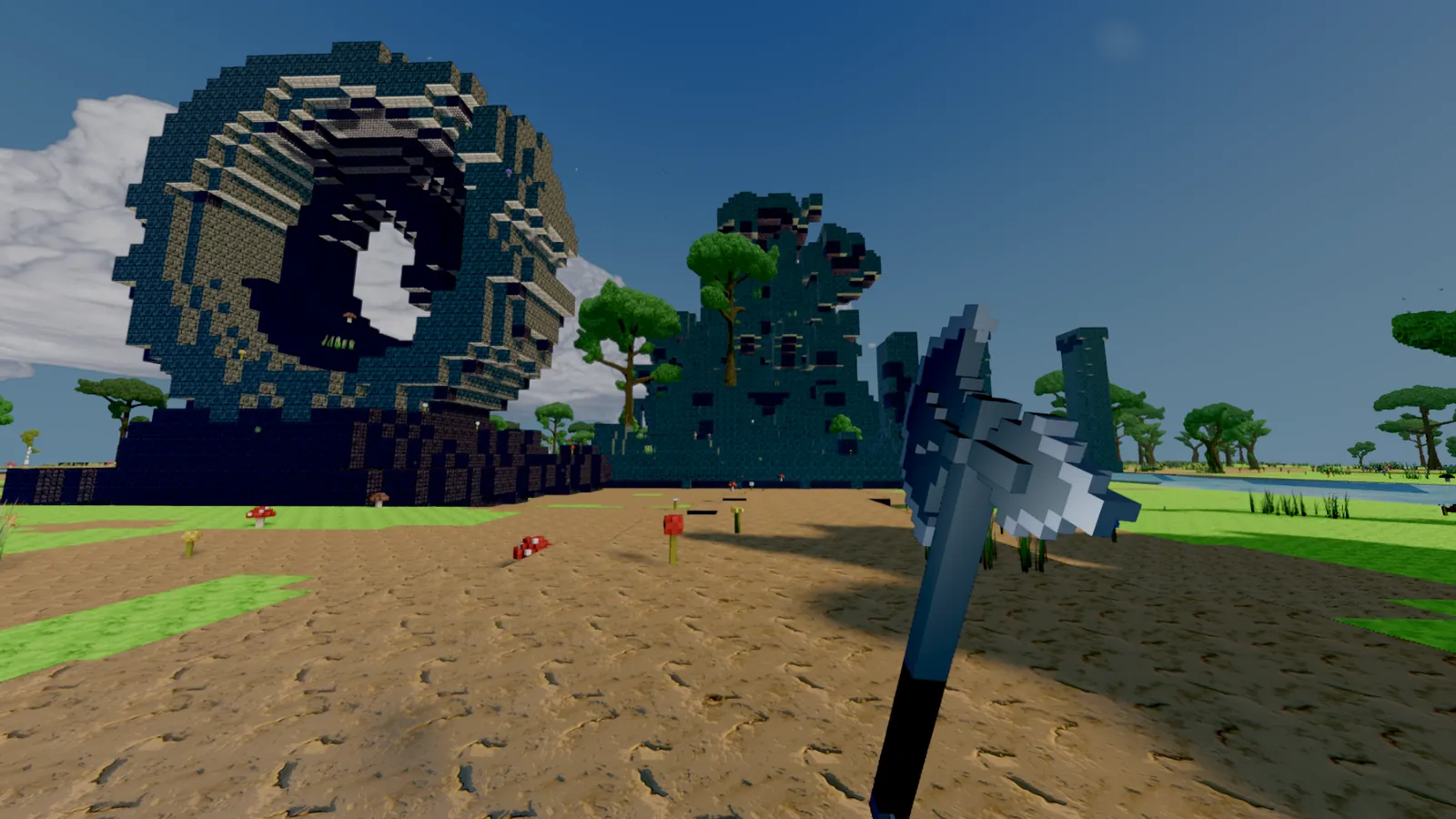
There’s still a long way to go, but a lot of Luminids now exists in playable form. The core world, creature, building, progression, and atmosphere systems are all starting to come together.
Systems now in place
World
- Seeded voxel world generation
- Biome-driven environments
- Water systems
- Day/night, lighting, and weather
Simulation
- Luminid behaviour systems
- Wildlife systems
- Reactivity and physical feedback
Player & Progression
- First-person player controller
- Building and placement
- Crafting and progression
- Quest and story structure
- Save/load and world continuity
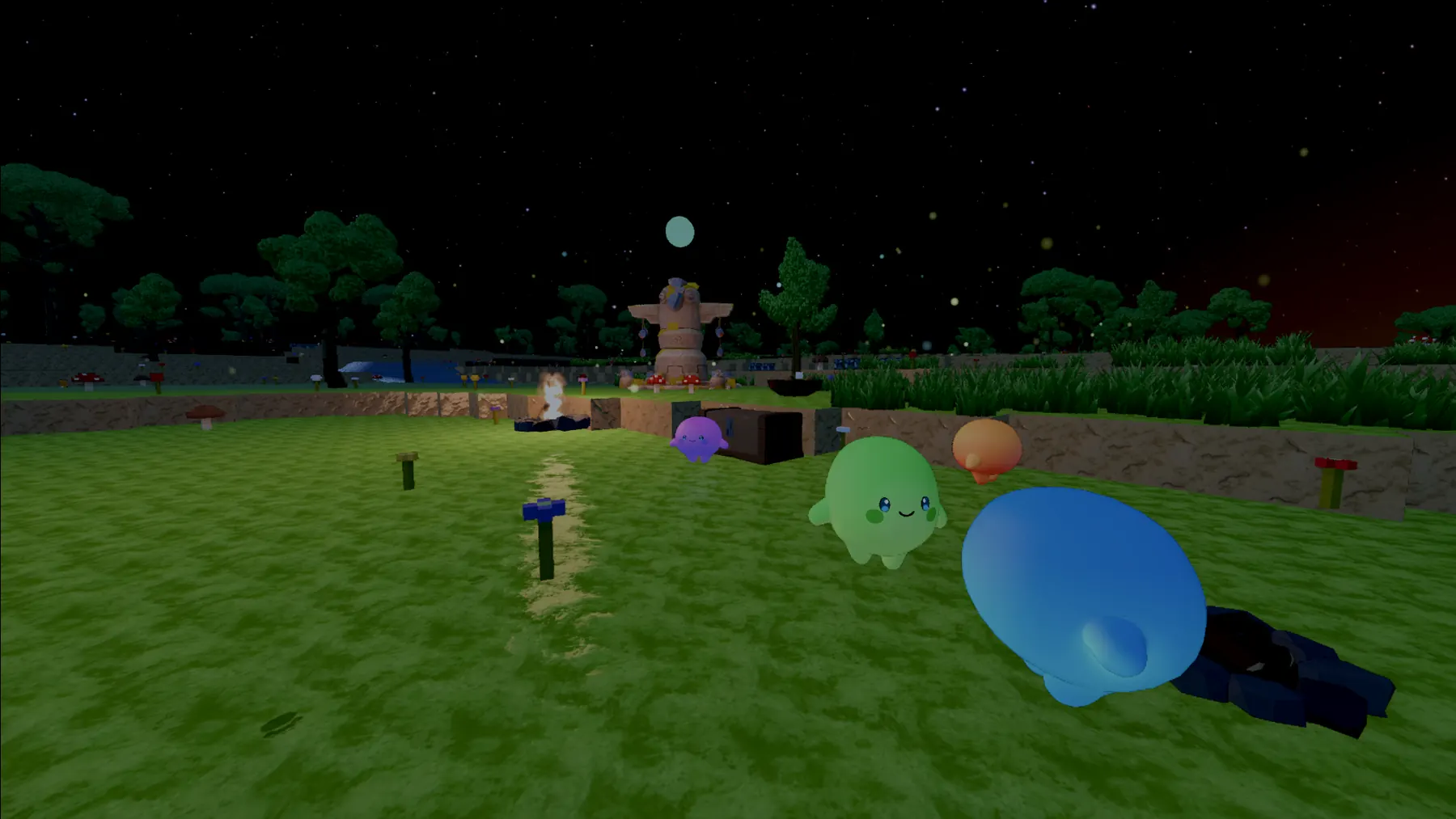
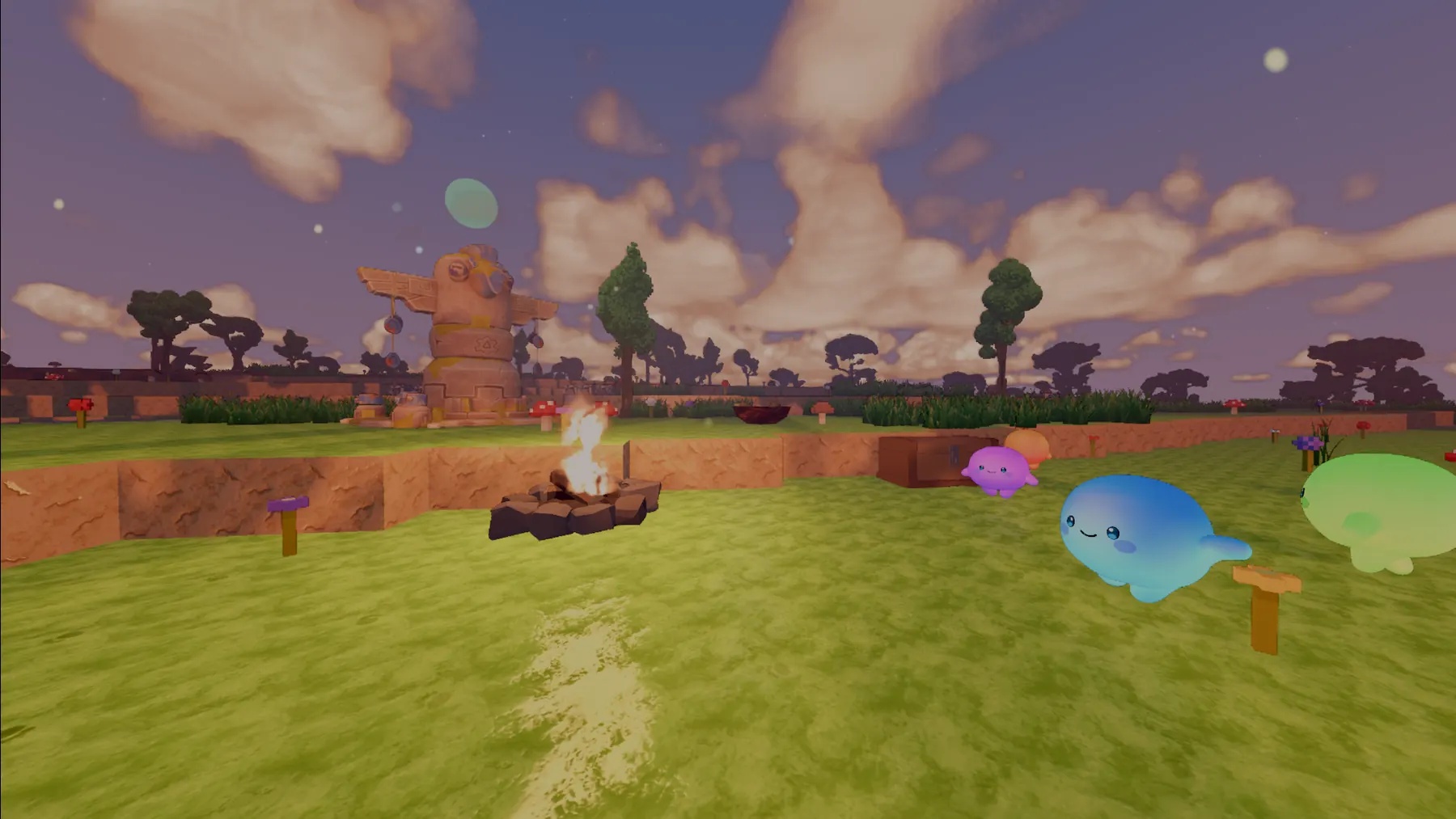
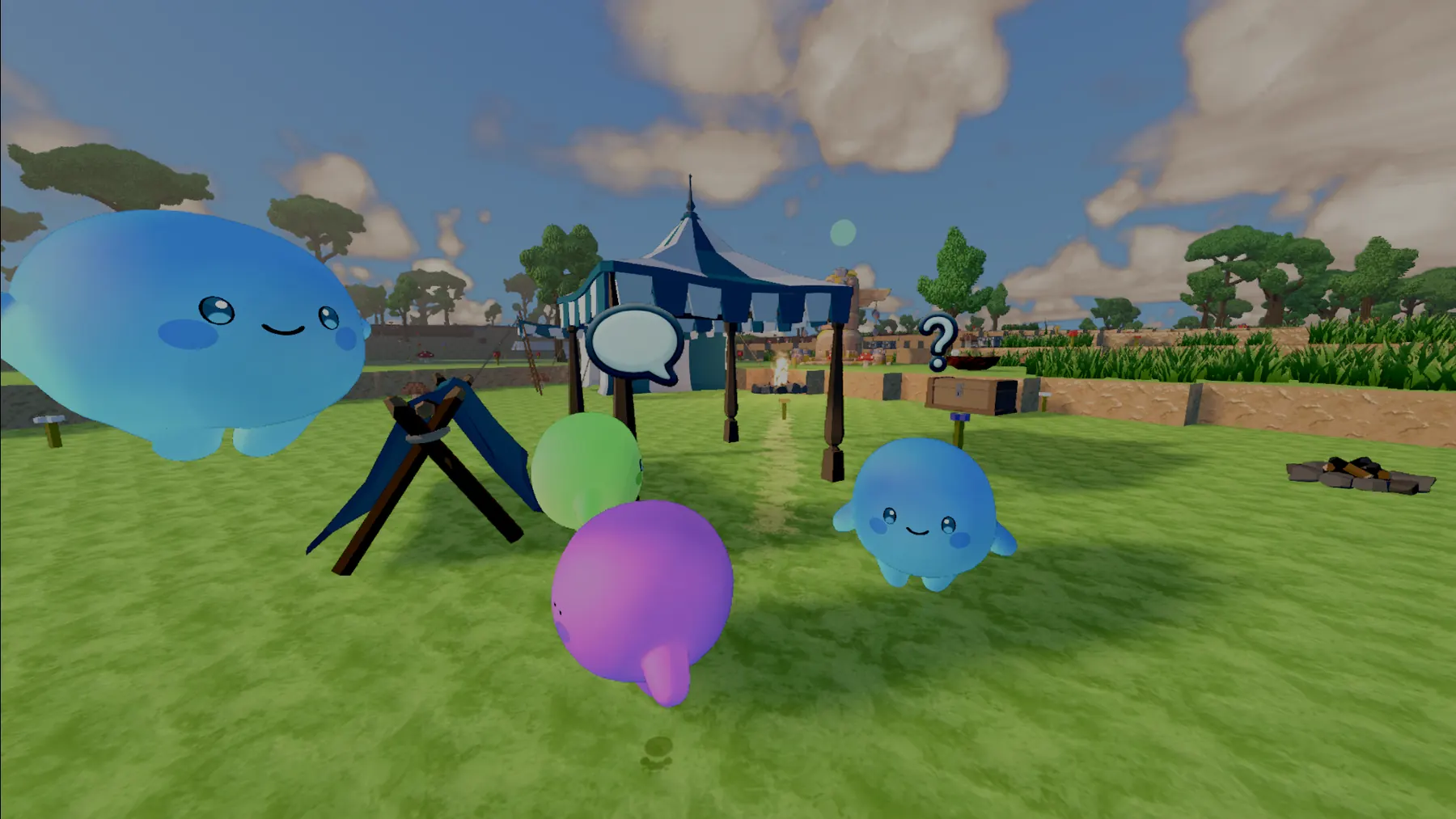
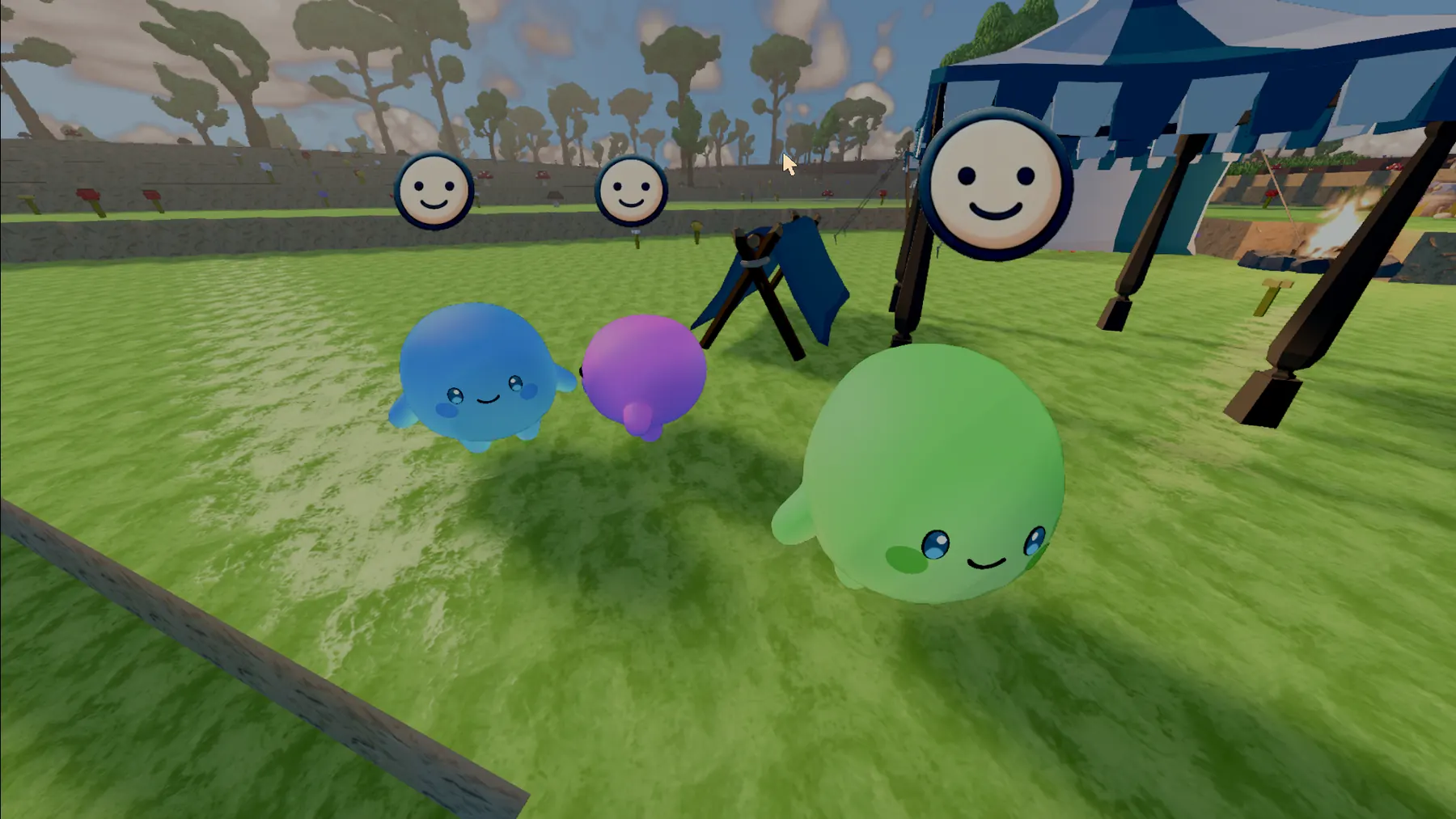
Building Emergent AI with Godot
For a deeper breakdown of this system, see Dev Log 8: How Luminids Think.
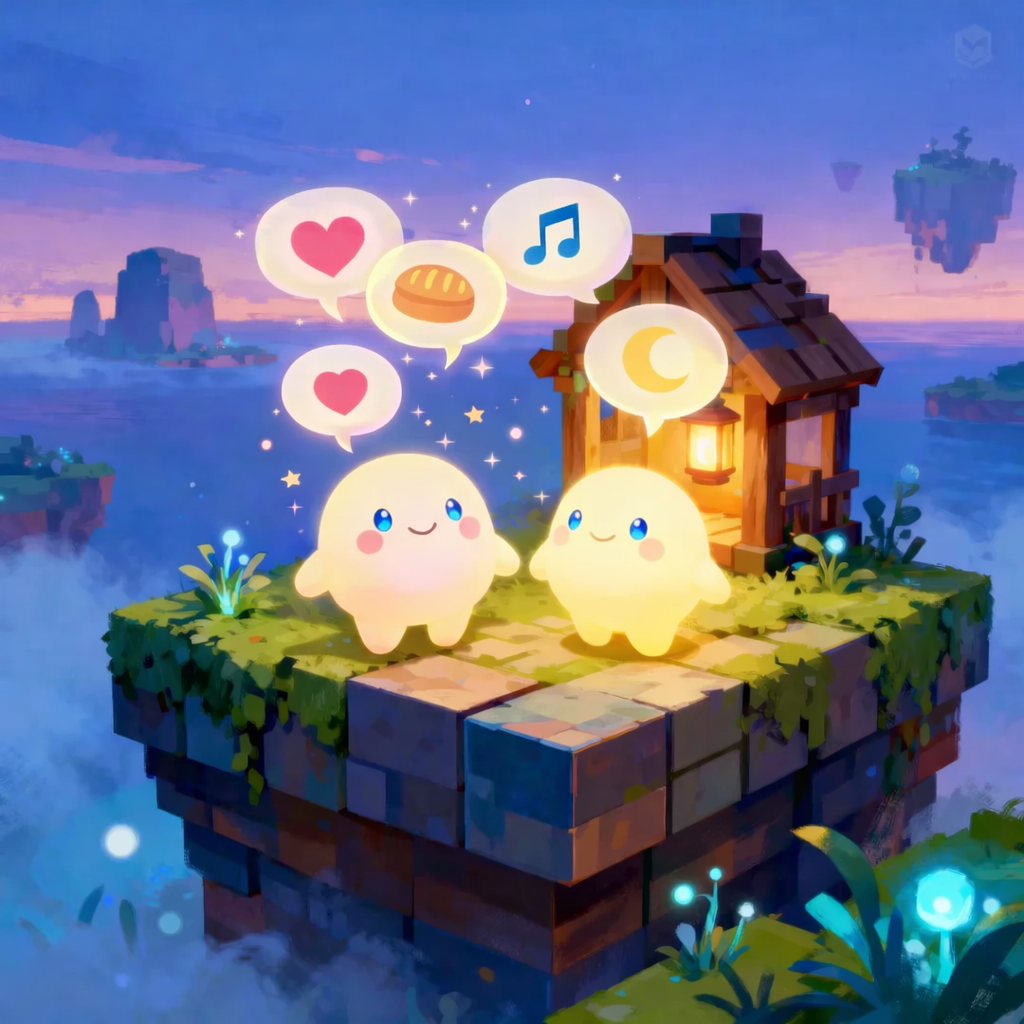
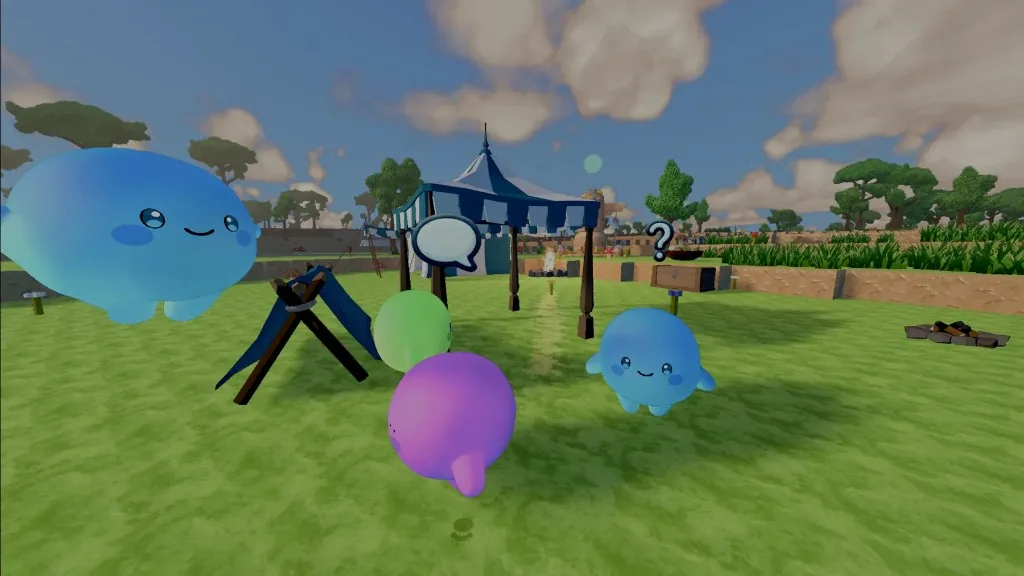
Each Luminid runs the same core behaviour model built around three axes: Work Drive, Boldness, and Sociability. Those values shift over time through repeated actions, environment, and social context.
The goal is behaviour that feels readable and consistent rather than random. When a Luminid changes how it acts, it should feel like an emergent result of what it has experienced, not a scripted flip.
Players influence this indirectly by shaping the world, deciding where work happens, and choosing when to intervene versus when to observe.
Want to chat?
If you’d like to chat about Godot, emergent systems, or Luminids, come say hello on Discord.
Find me as Zilos on Discord, always happy to riff on all things game dev and what’s gone into the world of Luminids so far.
What comes next
Next up is more cohesion, better feel, expanded content, and continued work towards a stronger public demo. There’s still plenty to do, but the shape of the game is getting clearer with every pass.
Nick