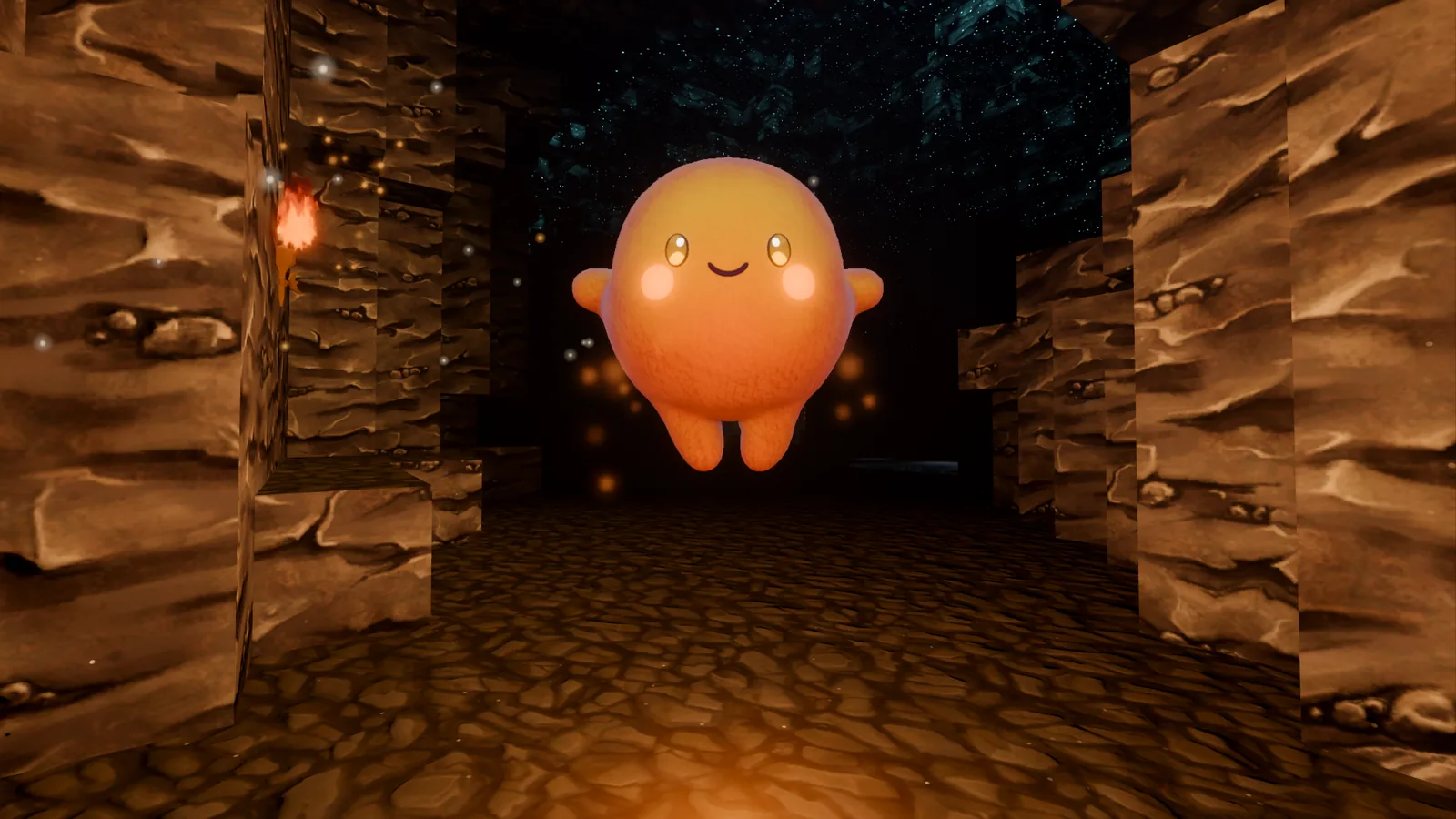


Ten dev logs in, so this one is a look backwards rather than a new feature.
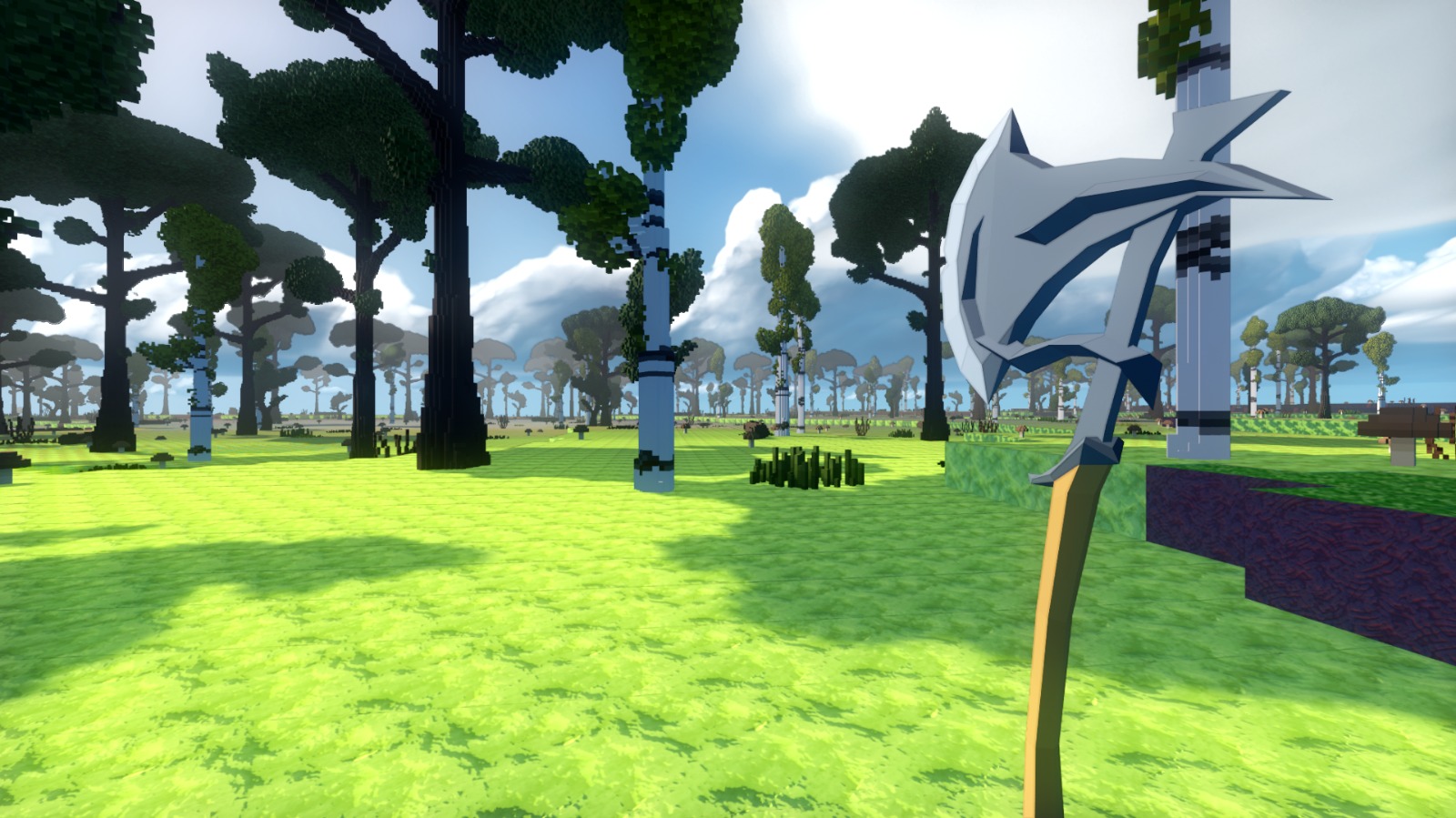
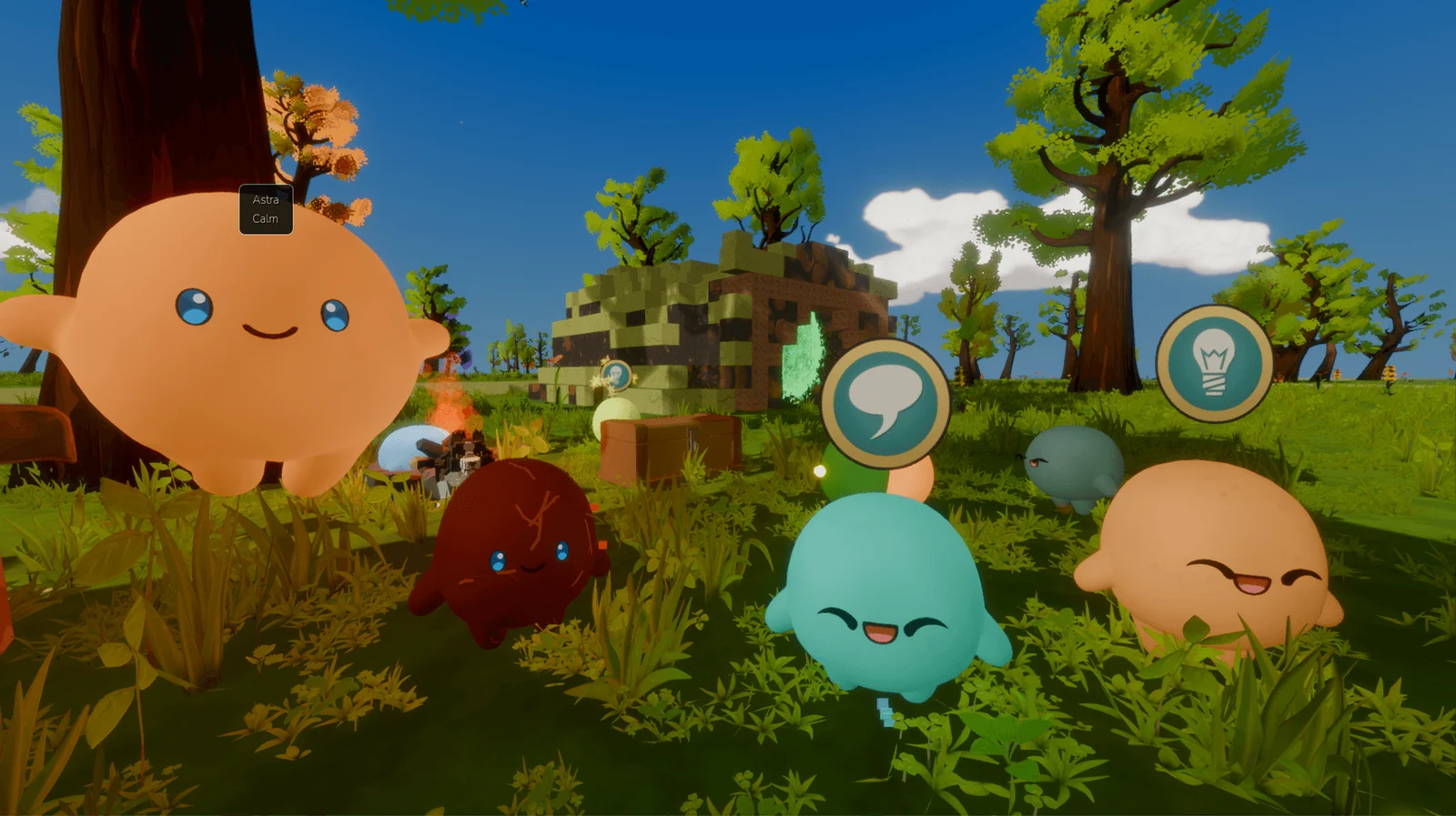
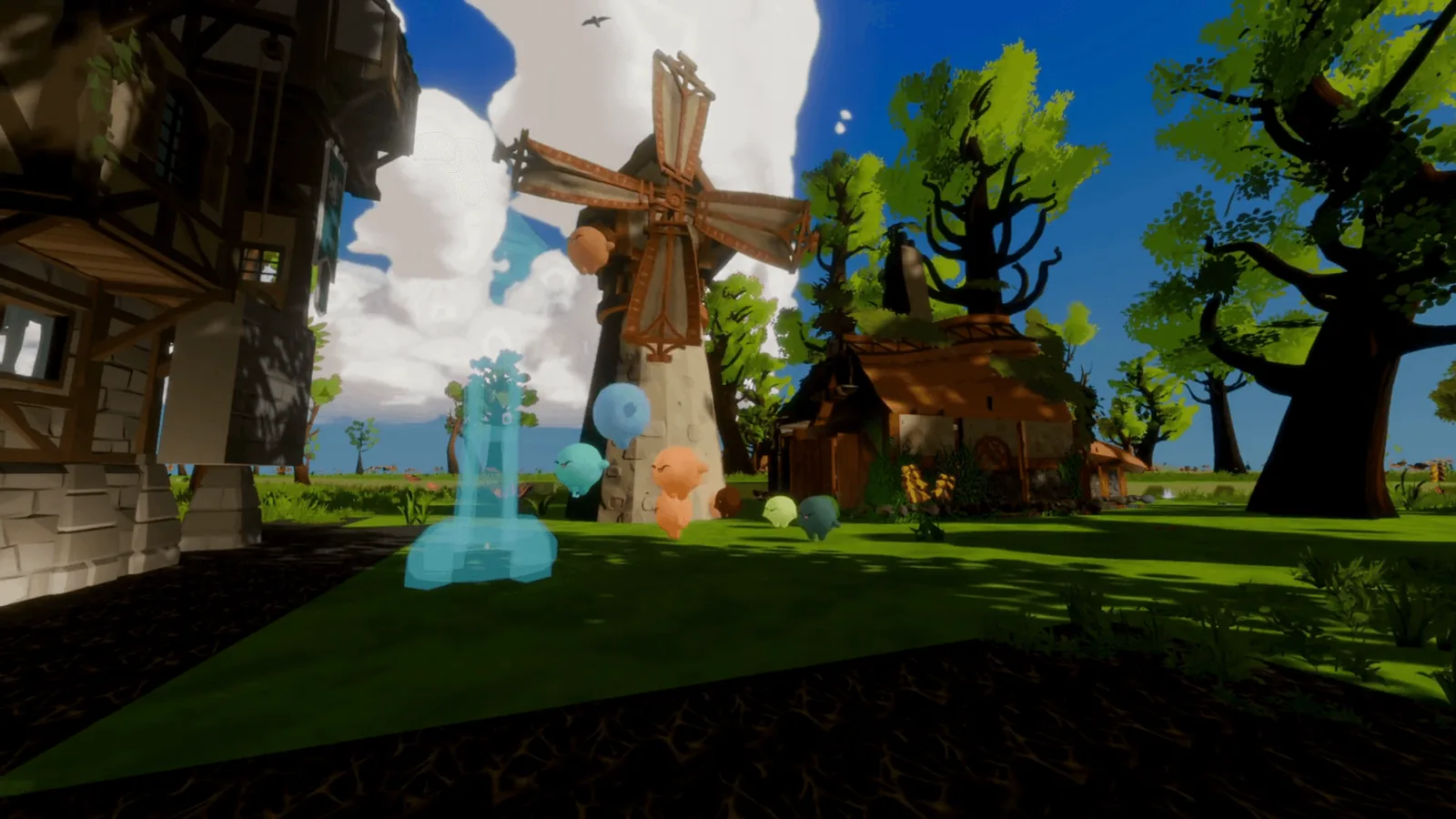
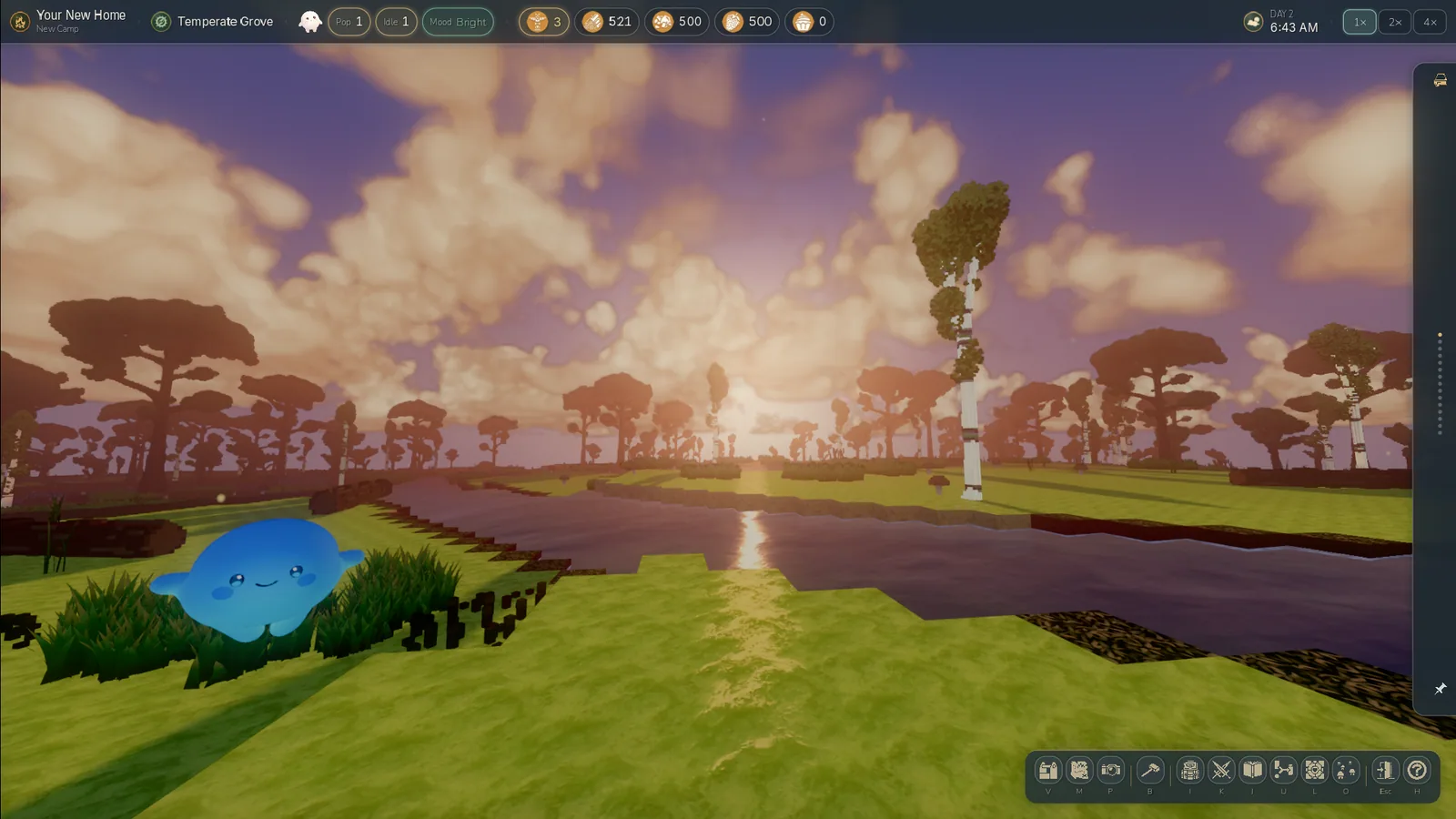
The clip above runs from a sphere on a grid to creatures standing in something that reads as a place. What I find useful about laying it out like this is that almost none of the change came from a big decision. It came from doing the same passes repeatedly until they lined up.
The creatures
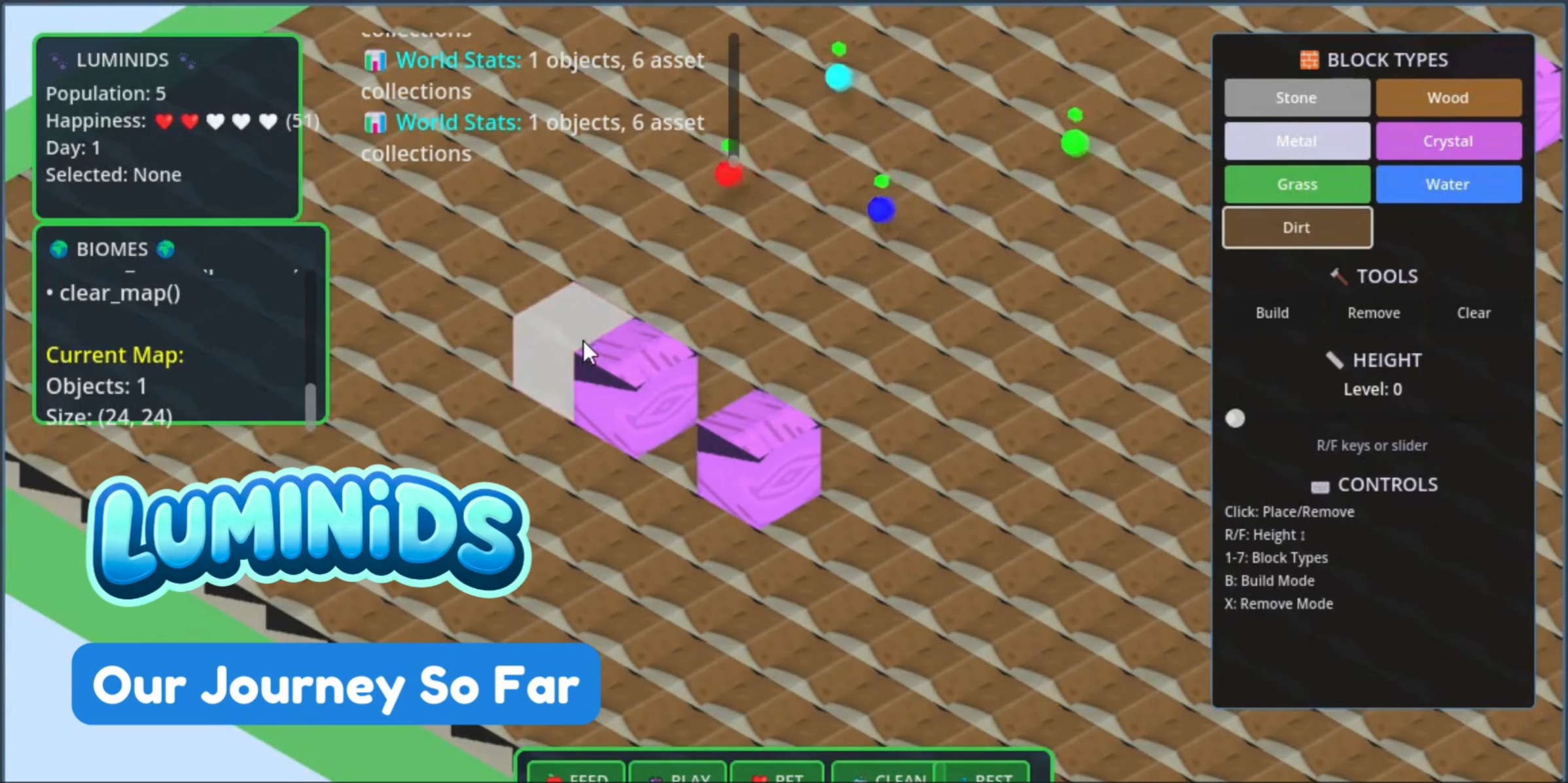
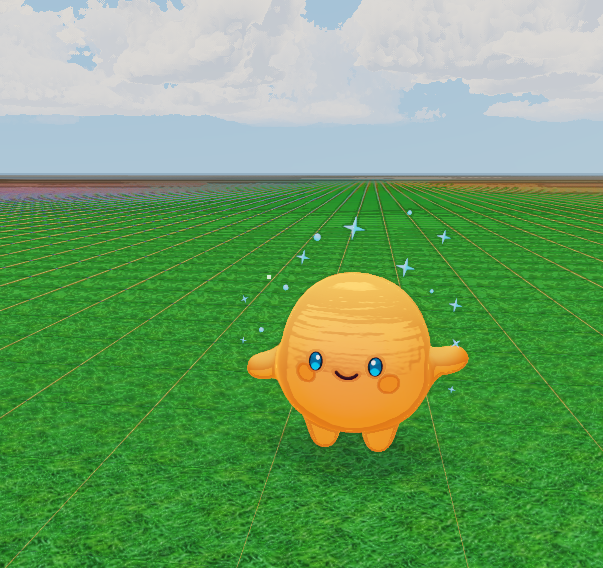
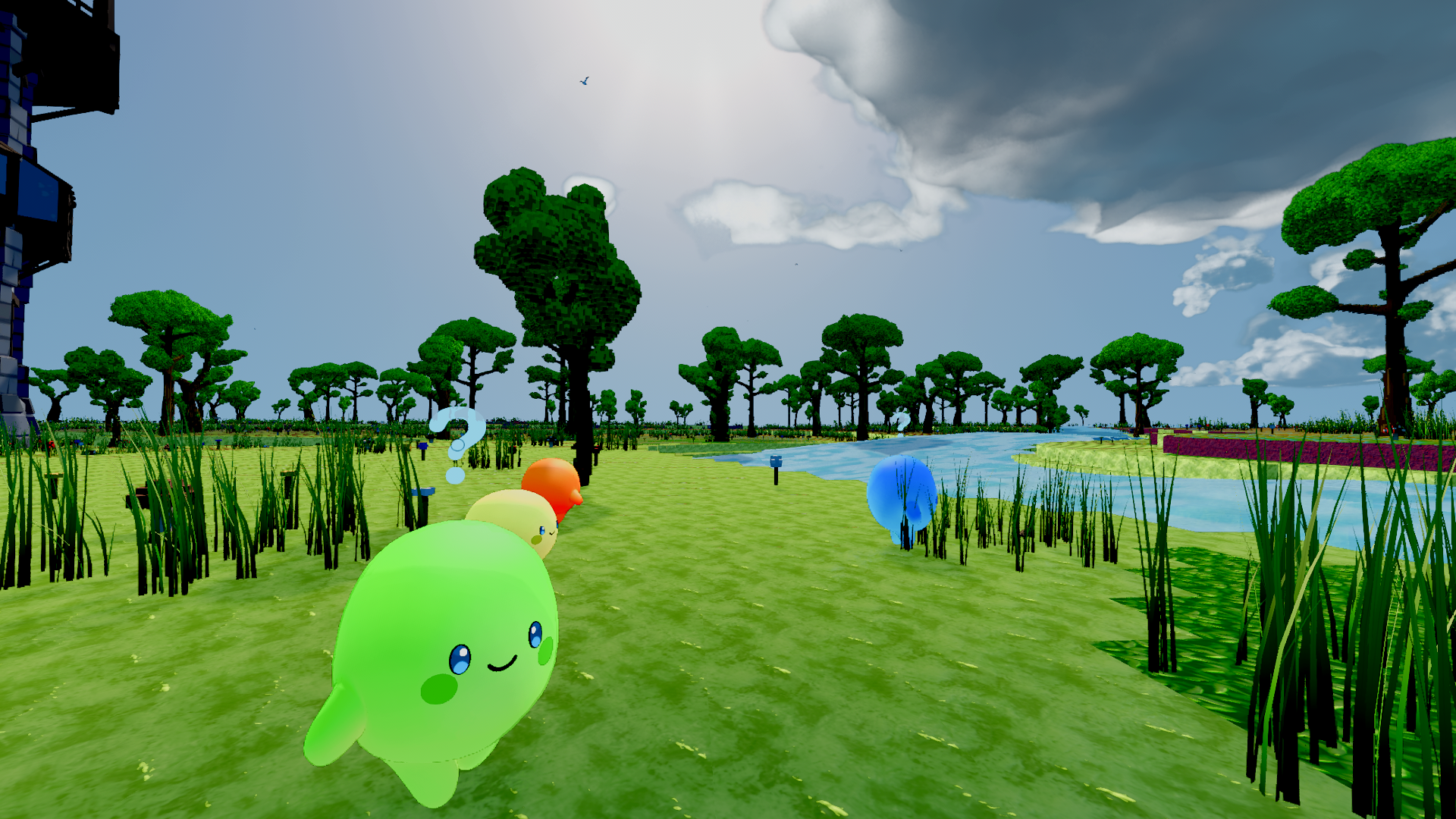
The first Luminid existed to prove the systems ran. It was a shape that could be spawned, moved and saved, and it had no business being looked at closely.
What changed it, in order:
Proportions. Covered in Dev Log 4. A simple silhouette has nothing to hide behind, so a smoother head curve or a slightly wider base changes the personality more than it has any right to.
Scale. They were subtly wrong against the world for a long time. Creatures that are the wrong size do not read as small, they read as fake, and it took embarrassingly long to work out that was the problem.
Motion. A rig with four controls and a head that lags very slightly behind the body. That lag is most of what separates “curious creature” from “moving object”.
The face plate. A deliberately simple surface that carries expression. Keeping it simple was a bet that the silhouette would do the heavy lifting, and it paid off: the expressions read at a distance where actual facial detail would have turned to mush.
The moment the creatures stopped feeling like objects, a lot of downstream design decisions changed on their own. If they were going to read as living things, the world had to be somewhere a living thing would plausibly be. Which meant the world was next.
The world
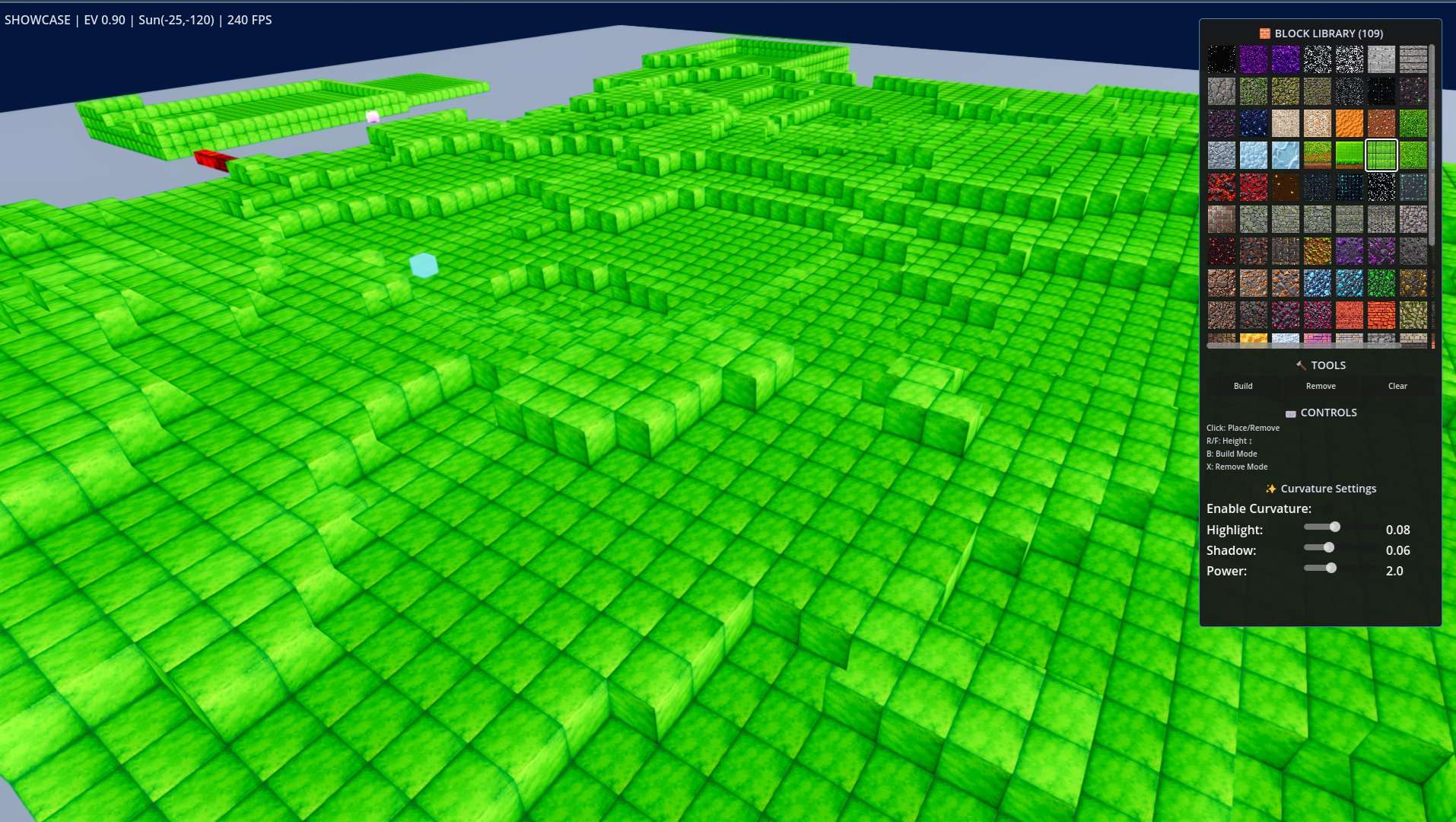
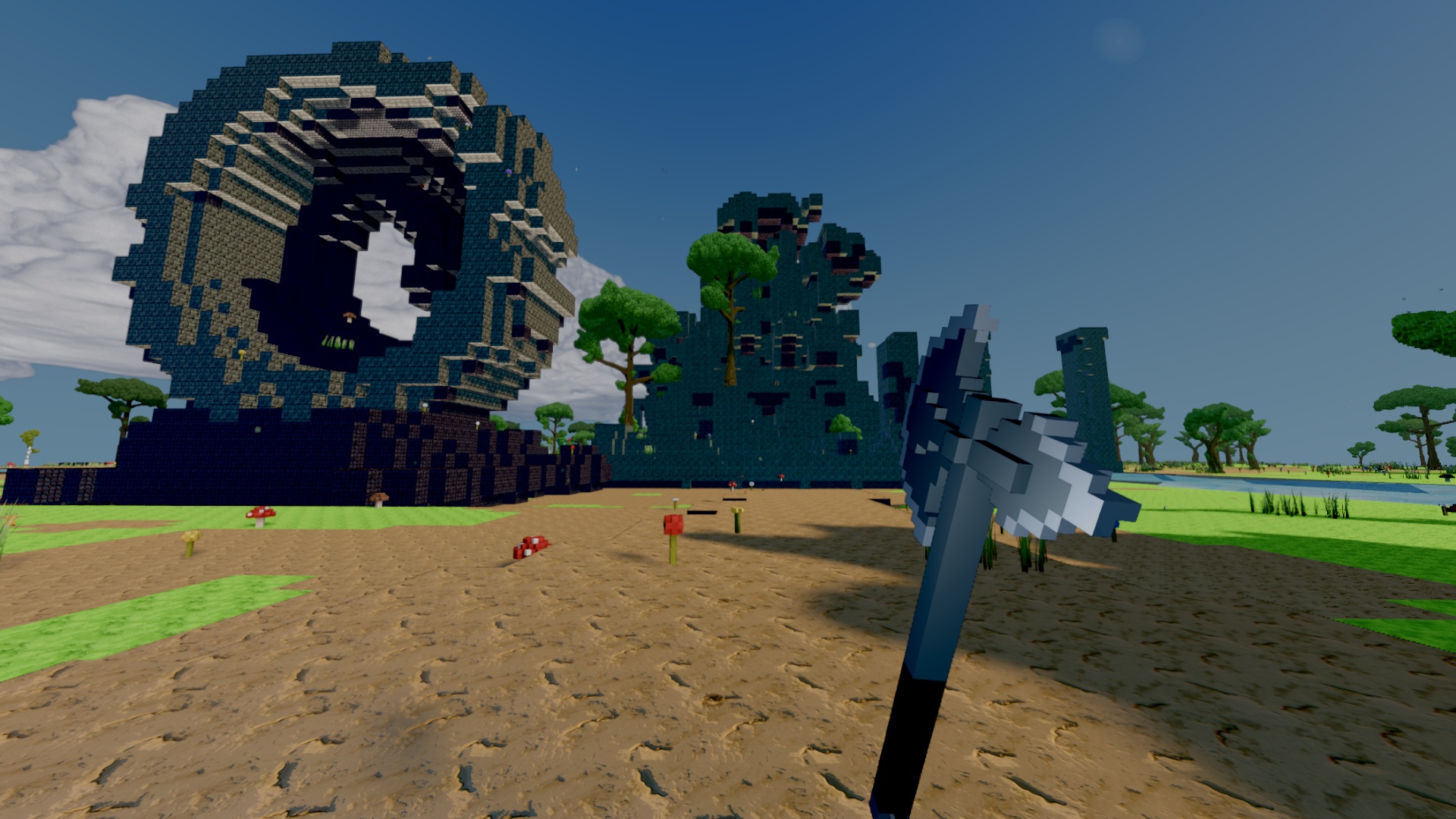
The early world was exactly what a prototype world is: flat terrain, hard edges, and lighting whose only job was to make things visible.
The path out of that ran through four dev logs.
Flow, not noise. Dev Log 2 was the first attempt at terrain that reads as shaped rather than generated, plus a cloud rebuild so weather lived inside the world instead of floating above it.
Trees. Dev Log 3, and the moment the world got a canopy it also got a ceiling, a middle distance, and somewhere for light to come through.
A formula. Dev Log 6 turned all the terrain intuitions into an actual layered process, which is when the results stopped depending on luck.
The sky. Dev Log 9. More than half of how a place feels turns out to be above the horizon line.
Why it was all iteration
Looking at the whole run at once, the thing that stands out is how little of it was invention.
Almost every improvement was the same systems tuned again against the feeling I was aiming for. And the passes are not independent, which is the part I underestimated: a lighting change makes the terrain look wrong, so the terrain changes, which changes how the creatures move through it, which changes how the world reads visually, which sends you back to the lighting.
The behaviour work in Dev Log 8 is the clearest example. Giving the Luminids three internal axes did not just change what they did; it changed what the world needed to contain, because a creature with tendencies needs somewhere those tendencies can show.
Where it stands
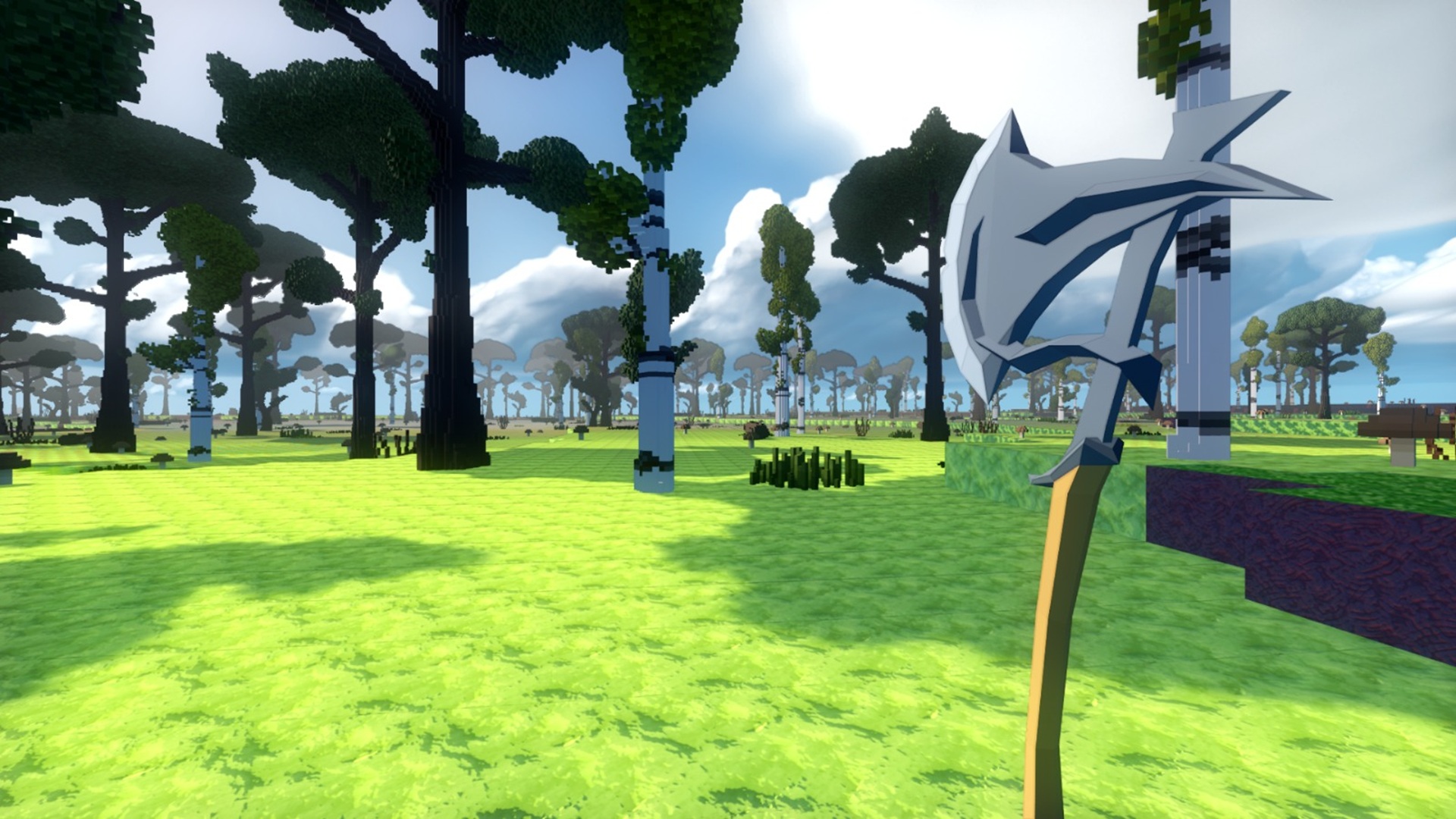
The current builds have a cohesive foundation, which is a boring sentence describing a genuinely significant thing. The Luminids read as individual creatures with their own tendencies. The world has shape, atmosphere, and the calm the game is aiming for.
There is a great deal ahead: systems, content, and a lot of tuning. But the difference since Dev Log 1 isn’t really the number of features. The pieces now argue with each other productively instead of sitting side by side.
Next I want to push on deeper creature behaviour, richer biomes, and stronger interaction between the Luminids and the world they live in. Same goal as always: a calm world that’s worth spending time in.
Nick