


I’ve spent a lot of time thinking about what makes a colony feel alive.
Not busy. Not efficient. Alive.
There’s an important difference.
You can build a perfectly functional colony simulation with hundreds of workers, elaborate production chains and more resource counters than anyone could reasonably want.
But if you stop giving orders, what happens?
Do the inhabitants simply wait for another job, or does the place carry on being somewhere worth visiting?
That’s the question behind Colony Mode in Luminids.
And this week I’ve been putting together a new trailer to show what that experience looks like.
A Different Kind of Colony Builder
Luminids has two ways to play.
Story Mode takes you through a larger adventure involving the island, its sanctuaries, the Luminids and the mysterious Ark.
Colony Mode is about something simpler.
You arrive. You find somewhere beautiful. You begin building a home.
There isn’t a prescribed story you have to follow, or a sequence of battles standing between you and the next part of the world.
Instead, you’re given the freedom to shape a settlement and see what grows from it.
You can raise and lower the terrain, place buildings, create paths, gather resources, grow food and help your Luminids establish a community.
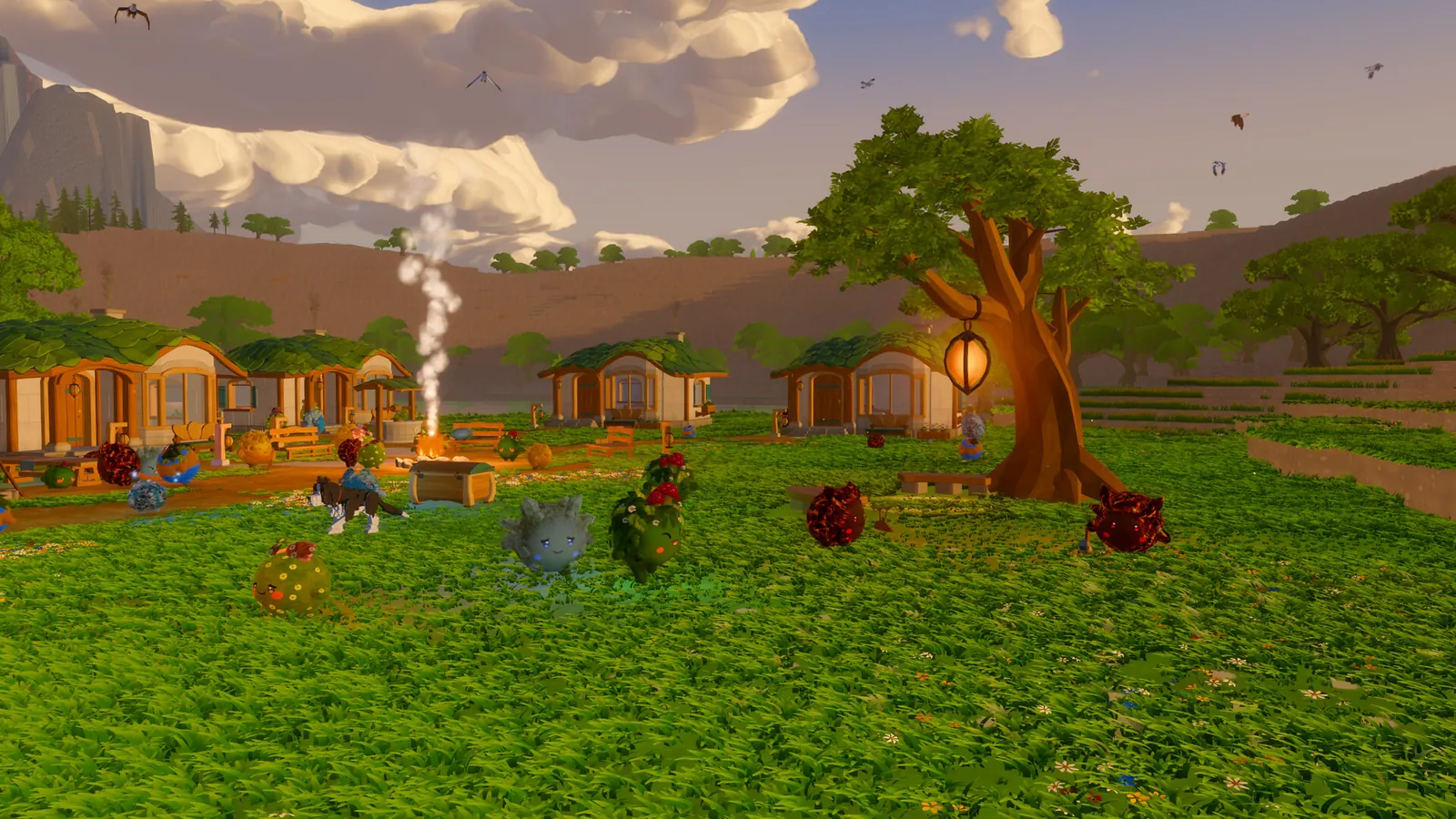
And then you can do something that I think makes Luminids rather different.
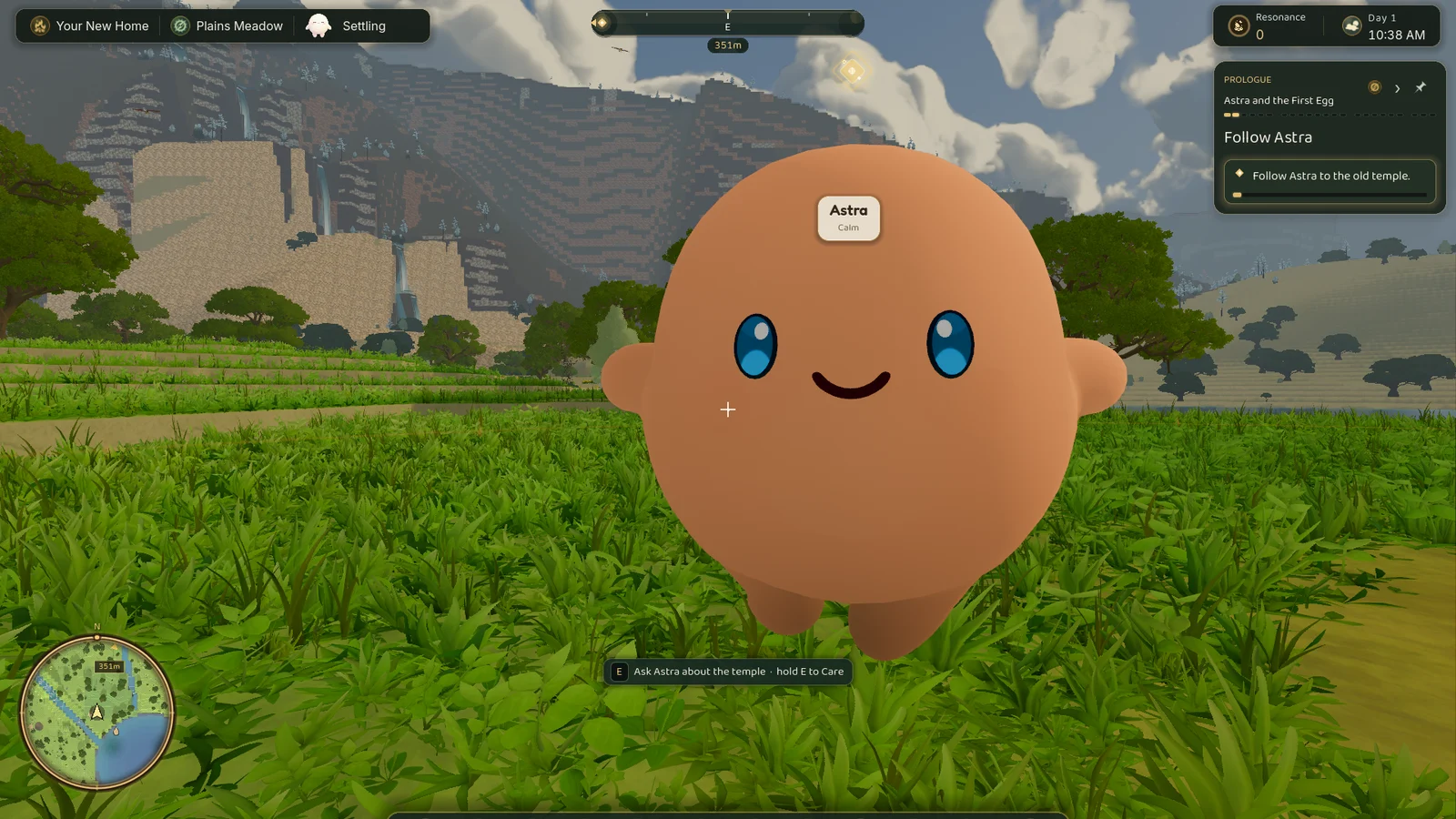
You can step down from the overhead colony view and walk into the place you’ve created.
Build It From Above. Live In It Below.
I’ve always liked colony-building games, but there’s something a little strange about spending hours creating a beautiful settlement that you’re never allowed to actually visit.
You see everything from above.
The houses become pieces on a board. The inhabitants become little moving markers. Even an enormous settlement can end up feeling like a diagram.
I wanted to close that distance.
In Luminids, the overhead view gives you the perspective to plan and create. You can see how the settlement fits into the landscape and decide where everything should go.
But you can also switch into first person.
Suddenly the little cottage you placed is a building beside you. The path becomes something you can walk along. The Luminid who was a tiny shape moving between two jobs is now standing in front of you, looking back.
I love that transition.
It changes the scale of everything, but it also changes your relationship with the colony.
You’re not just watching it.
You’re part of it.
The Colony Is More Than Its Buildings
The other half of this idea is the Luminids themselves.
I’ve written quite a bit about their behaviour systems in earlier devlogs, and those systems have changed considerably throughout development.
The underlying goal has remained the same.
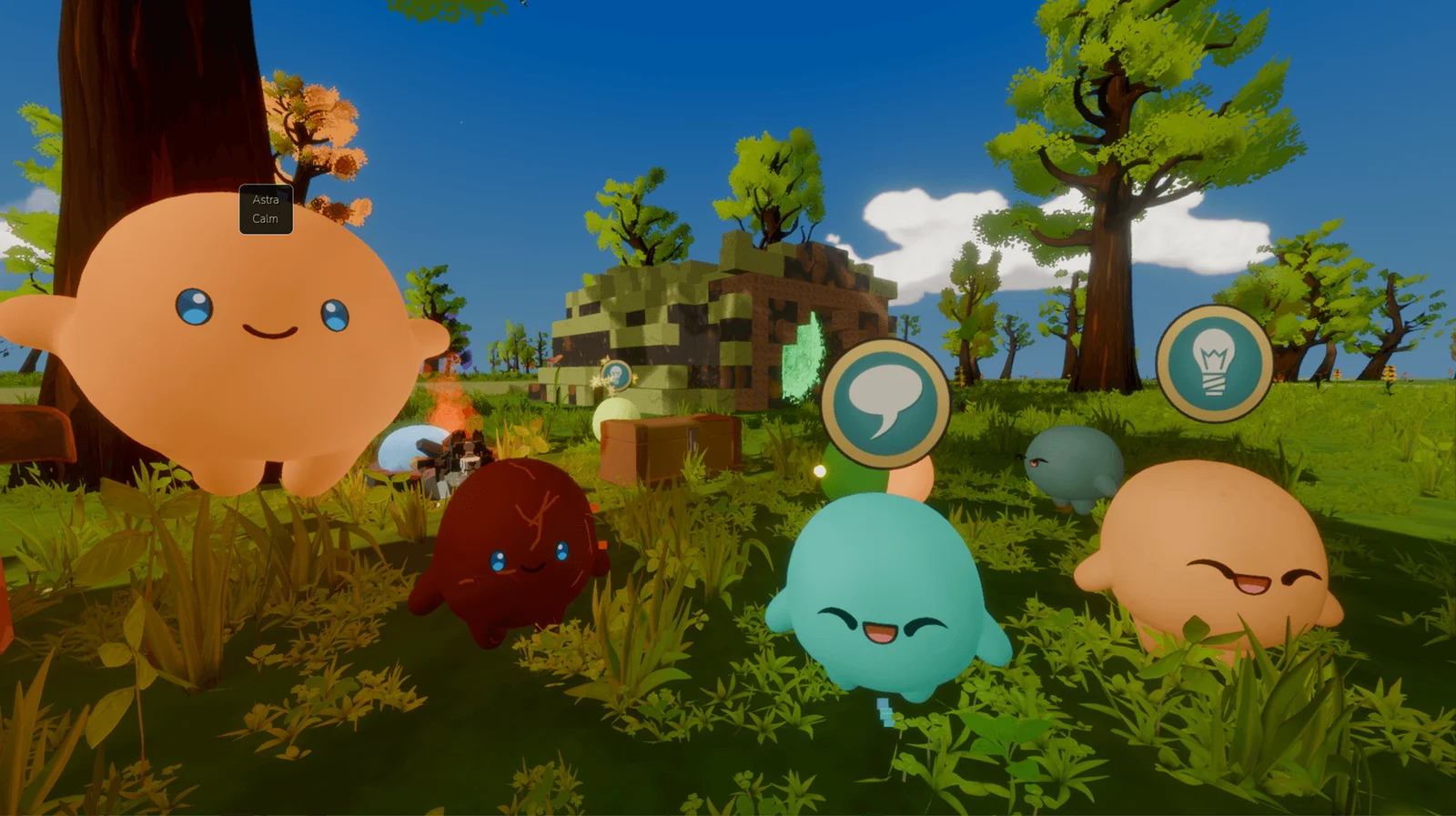
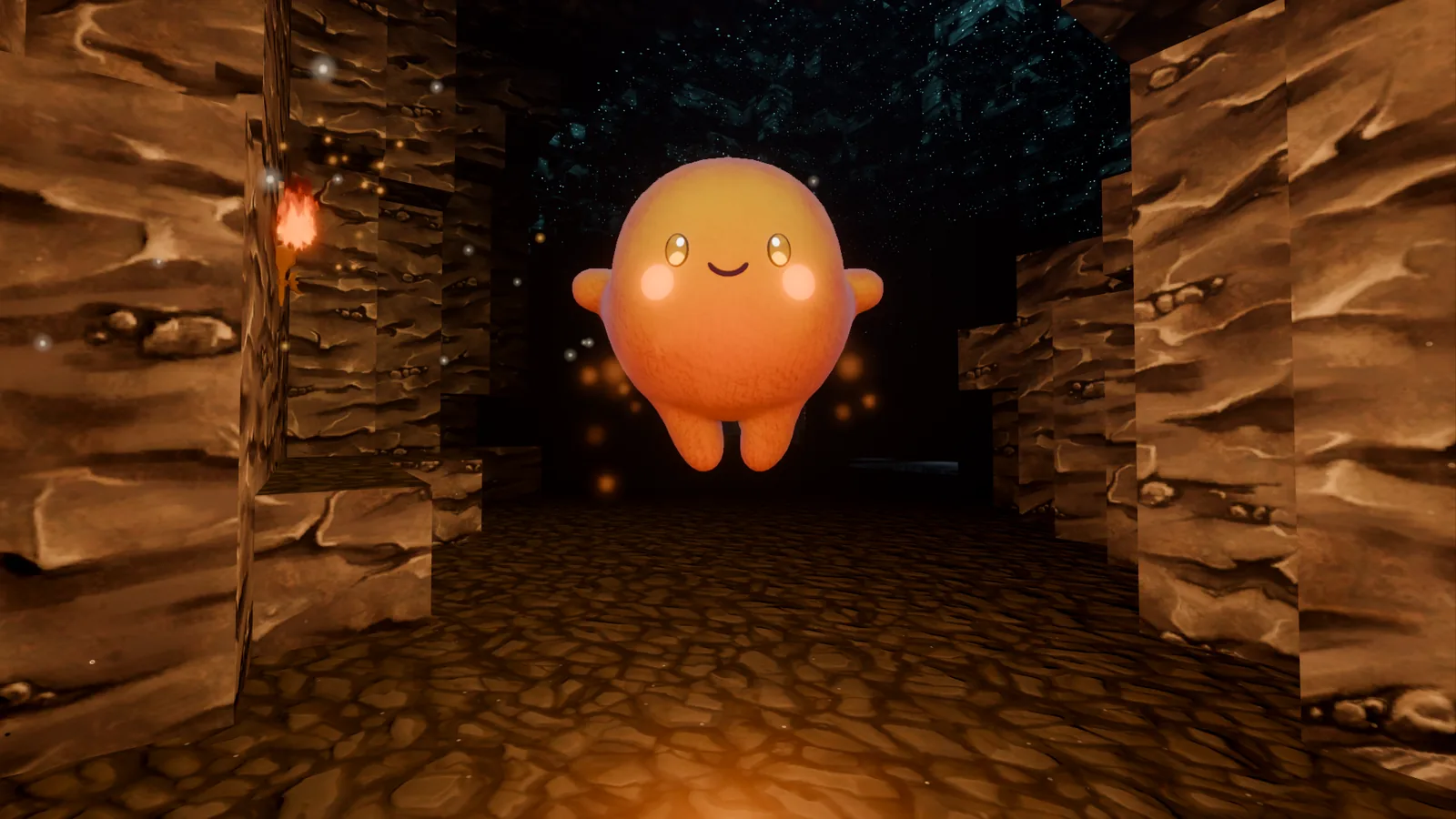
I want each Luminid to feel like an individual rather than an interchangeable worker.
They have needs, personalities, moods and relationships. They can form habits, develop quirks and carry experiences forward.
One might be particularly drawn to exploring. Another might spend much of its time working near home. Two Luminids might grow close because their routines keep bringing them together.

These are the kinds of differences I want you to notice naturally.
Not because you’ve opened a statistics screen and compared their attributes, but because you’ve lived alongside them long enough to recognise who they are.
The colony should have a life that continues when you’re not giving it instructions.
That is the real ambition behind the simulation.
Stories Nobody Wrote
There’s a distinction I’ve become increasingly interested in while developing Luminids.
A written story tells you what happened.
A simulated world gives you the conditions for something to happen.
Imagine spending an afternoon building a little home beside the lake. You plant a garden, put a path down to the water, and assign a Luminid to help maintain the place.
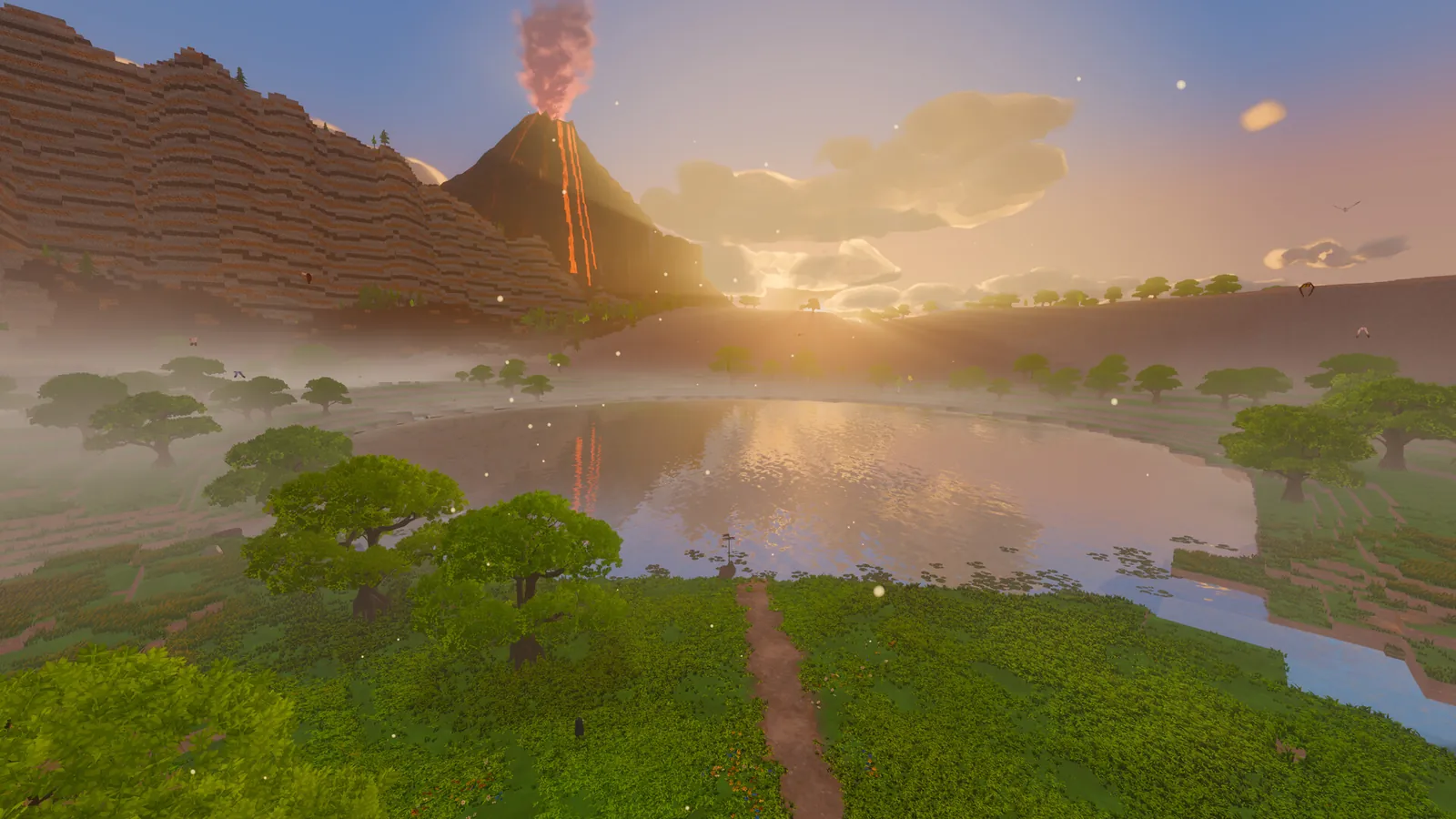
Over time, that Luminid becomes familiar with the area. You begin to associate them with the house, the garden and the quiet stretch of shoreline where you regularly find them.
Nothing particularly dramatic has happened.
There hasn’t been a quest marker, a cutscene or a scripted conversation explaining why that place matters.
But it matters to you now.
That’s the sort of emergent attachment I’m interested in creating.
Not every meaningful moment needs to be written in advance.
Sometimes the player does the writing simply by being there.
The World Needs to Participate Too
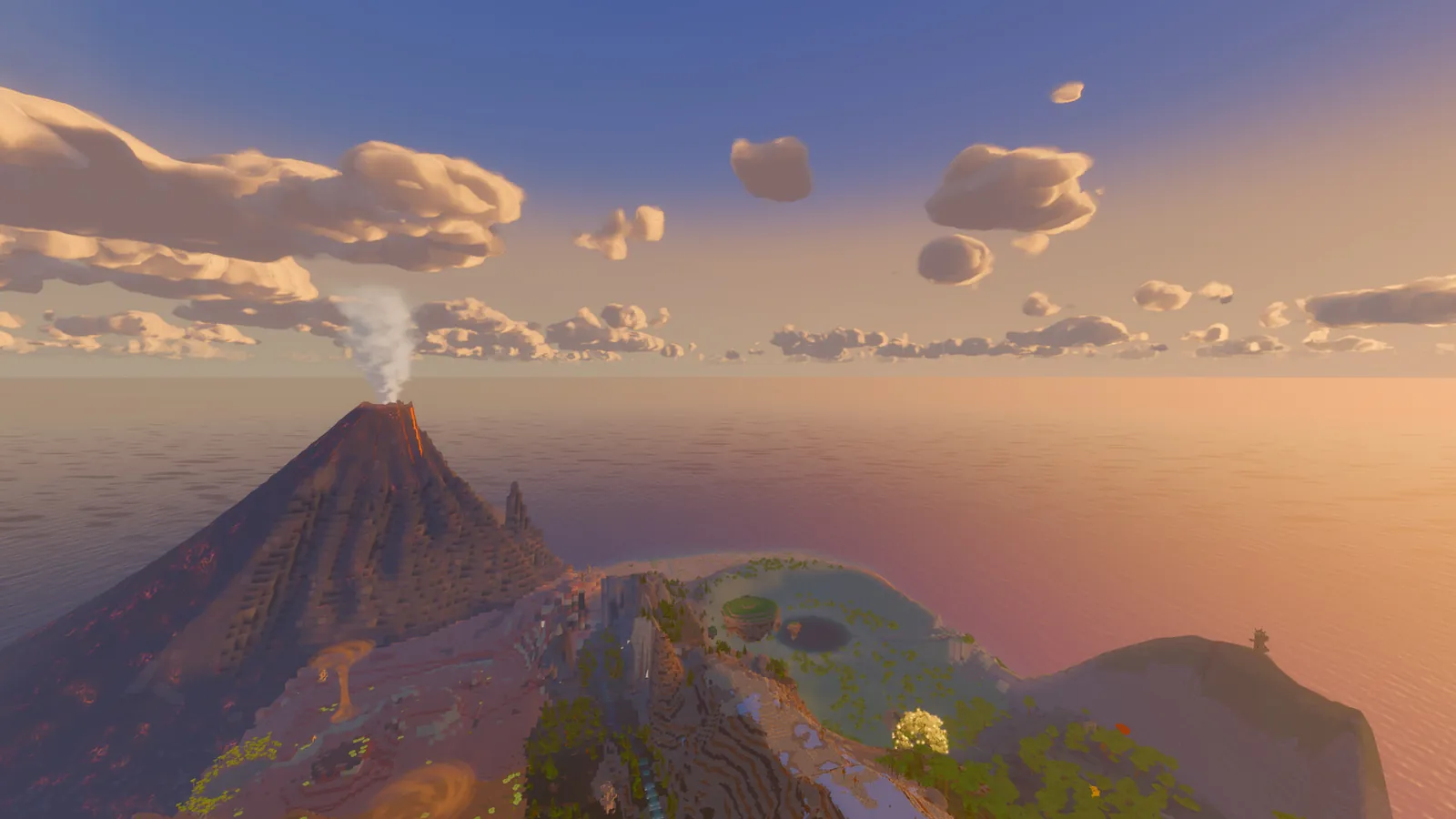
I’ve also been spending time experimenting with snowstorms and volumetric clouds.
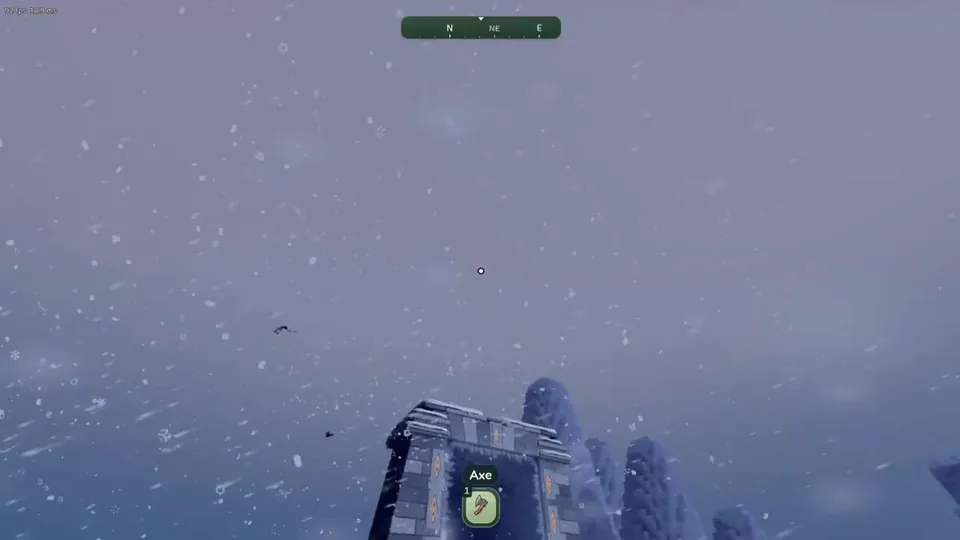
Luminids already has a substantial atmosphere system, with changing daylight, weather, clouds and environmental lighting. But I want the different parts of the island to have stronger identities of their own.
A clear morning in the meadows shouldn’t feel like a cold afternoon high in the mountains.
And a snowstorm shouldn’t simply be a particle effect pasted over the screen.
It should change how the landscape feels.
The light softens. The distance becomes harder to read. Mountains disappear behind cloud. Familiar places look unfamiliar for a little while.
In a game without combat, atmosphere has an important job.
It gives the world texture, variation and a sense of passing time without needing to put the player in danger.
I’m still testing and refining this work, particularly how the effects look in motion and what they cost to render.
A beautiful sky is one thing. A beautiful sky that runs comfortably while a busy colony carries on underneath it is quite another.
Both matter.
No Combat Doesn’t Mean Nothing Happens
One of the questions that comes up about Luminids is what players actually do if there are no enemies to fight and no way to lose.
It’s a fair question.
Most games use danger, scarcity or failure to create momentum. There’s always something trying to stop you, take something away or force you to act.
I’ve deliberately chosen not to make those things the centre of Luminids.
That doesn’t mean removing decisions, challenges or progression.
You still have to gather resources, develop your colony, explore the island and learn how its systems work. A settlement still needs care and attention.
But I don’t want the game constantly reminding you that you’re behind.
You should be able to spend an evening building a village square, experimenting with the terrain or watching the colony go about its business, and feel that your time was well spent.
The reward doesn’t always have to be a number increasing.
Sometimes it’s a place becoming beautiful because you were there to shape it.
The Work Ahead
Colony Mode is playable, and the core systems are already there.
But there’s a difference between having all the pieces of a colony simulation and making those pieces work together elegantly.
The next stage is about depth, clarity and reliability.
Making sure larger colonies remain responsive. Making the building and resource loops more intuitive. Giving the Luminids more opportunities to interact with each other and the places they inhabit.
And continuing to improve the world around them, so that exploring beyond the village remains as rewarding as building within it.
I don’t think the answer is simply adding more systems.
It’s making the existing ones matter more.
A new building is interesting. A new building that changes how the colony lives is much more interesting.
A new animation is lovely. An animation that makes you recognise how a particular Luminid is feeling is better still.
Those are the differences I want to spend my time refining.
Somewhere Worth Coming Back To
There’s a thought I keep returning to while working on this game.
I don’t want you to remember how efficiently your colony produced wood.
I want you to remember the little village you built beside the lake.
The first Luminid you named.
The house you placed in exactly the right spot because the evening light came through the trees.
The path you made between two places that, eventually, became somewhere familiar.
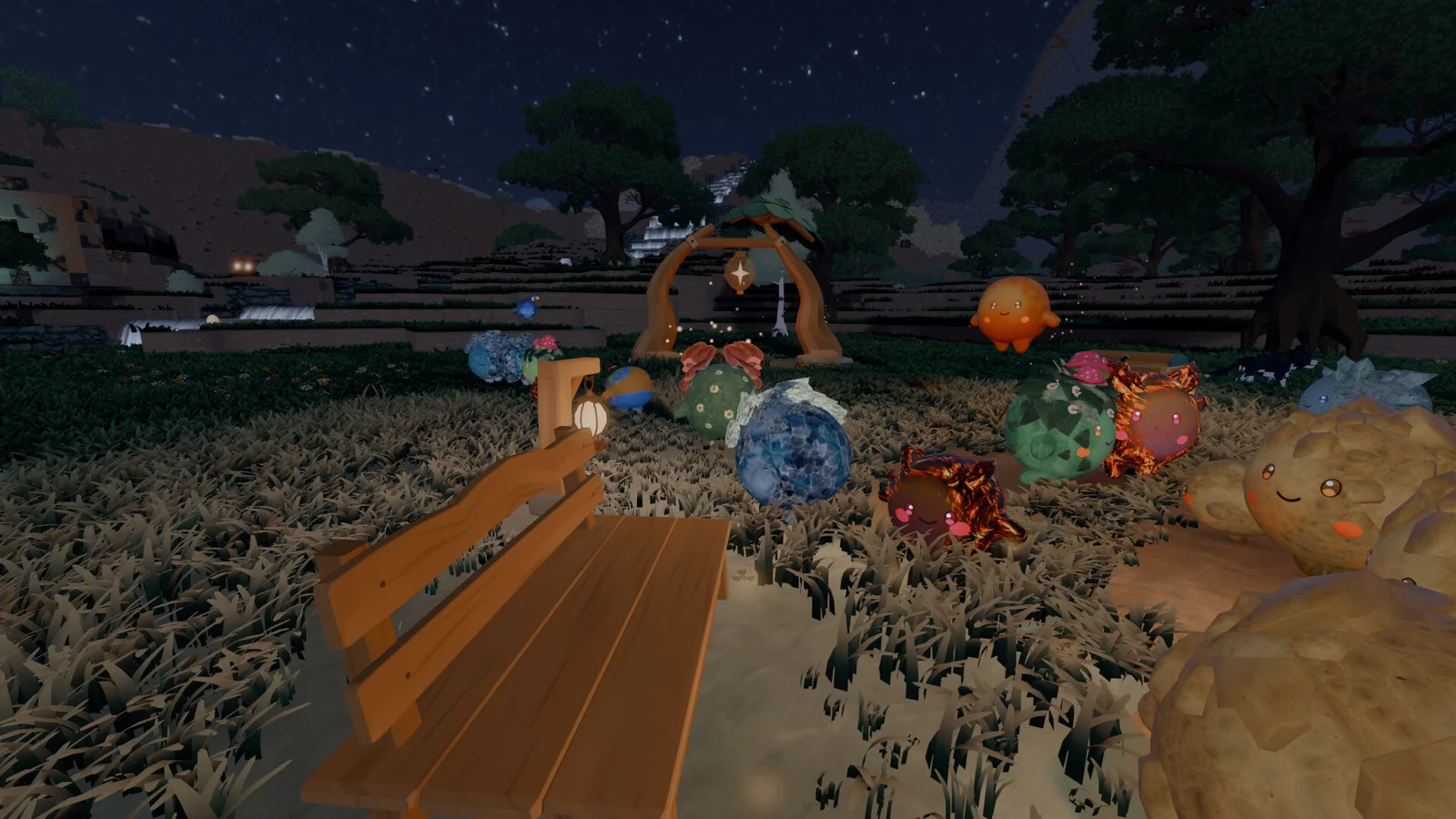
If Colony Mode can create those memories without scripting them, then I think it’ll have achieved something worth building.
That’s the world I’m working towards.
See you in the village.
Nick
Follow Development
You can explore Luminids for yourself in the free Steam demo, including an early look at Colony Mode.
The game is in active development, and your thoughts and experiences genuinely help shape what comes next.