

There’s a strange moment in game development when something you’ve spent countless hours building stops belonging entirely to you.
For eighteen months, I’ve known every corner of Luminids. Every system, every creature, every awkward little bug I’ve convinced myself nobody will notice. I’ve watched the sun rise over the same hills hundreds of times, walked the same paths, and rebuilt entire pieces of the game because something didn’t quite feel right.
On 6 November, I finally opened the doors.
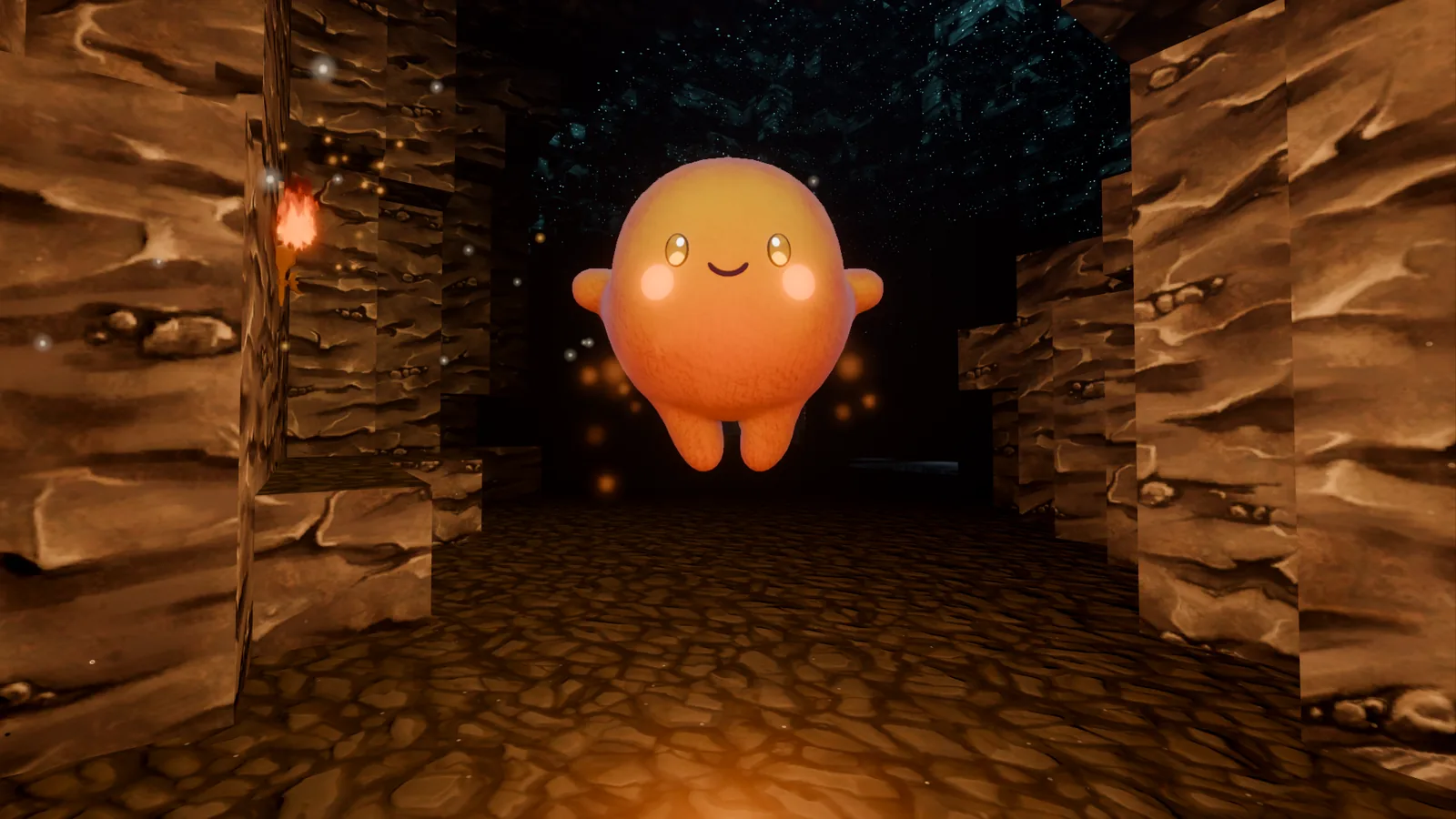
The Luminids demo is now available on Steam.
And for the first time, people can step into this world without me standing over their shoulder.
A World That Has to Explain Itself
One of the things I’ve learned about building a game alone is how dangerously familiar you become with your own creation.
I know where the resources are. I know why a Luminid has decided to wander away from a job. I know that the oddly shaped rock on the hillside is supposed to be there, and which button opens the building interface.
A new player knows none of that.
They arrive in a world they’ve never seen, meet a creature they’ve never heard of, and have to figure out what this place is asking them to do.
That’s a completely different design problem.
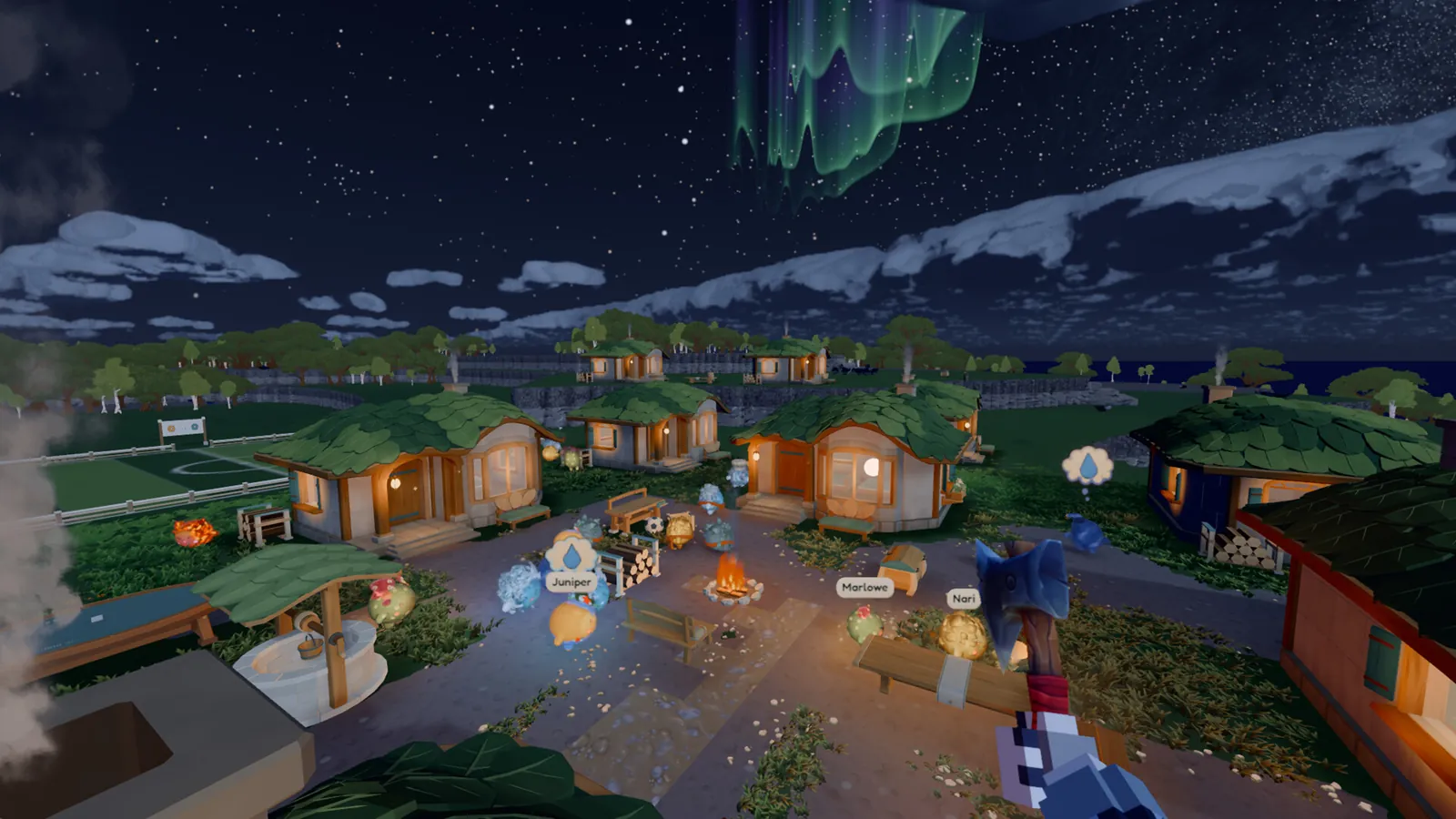
I’ve spent months improving the systems underneath Luminids, but a player doesn’t care how clever a system is if they can’t understand what it’s doing.
They care about what happens when they press a button.
Does the Luminid respond? Does the building tool make sense? Is the next thing they want to do obvious, or at least discoverable?
And, perhaps most importantly, does the world make them curious enough to keep going?
Two Ways to Find Your Place
The demo introduces the two different ways I want people to experience Luminids.
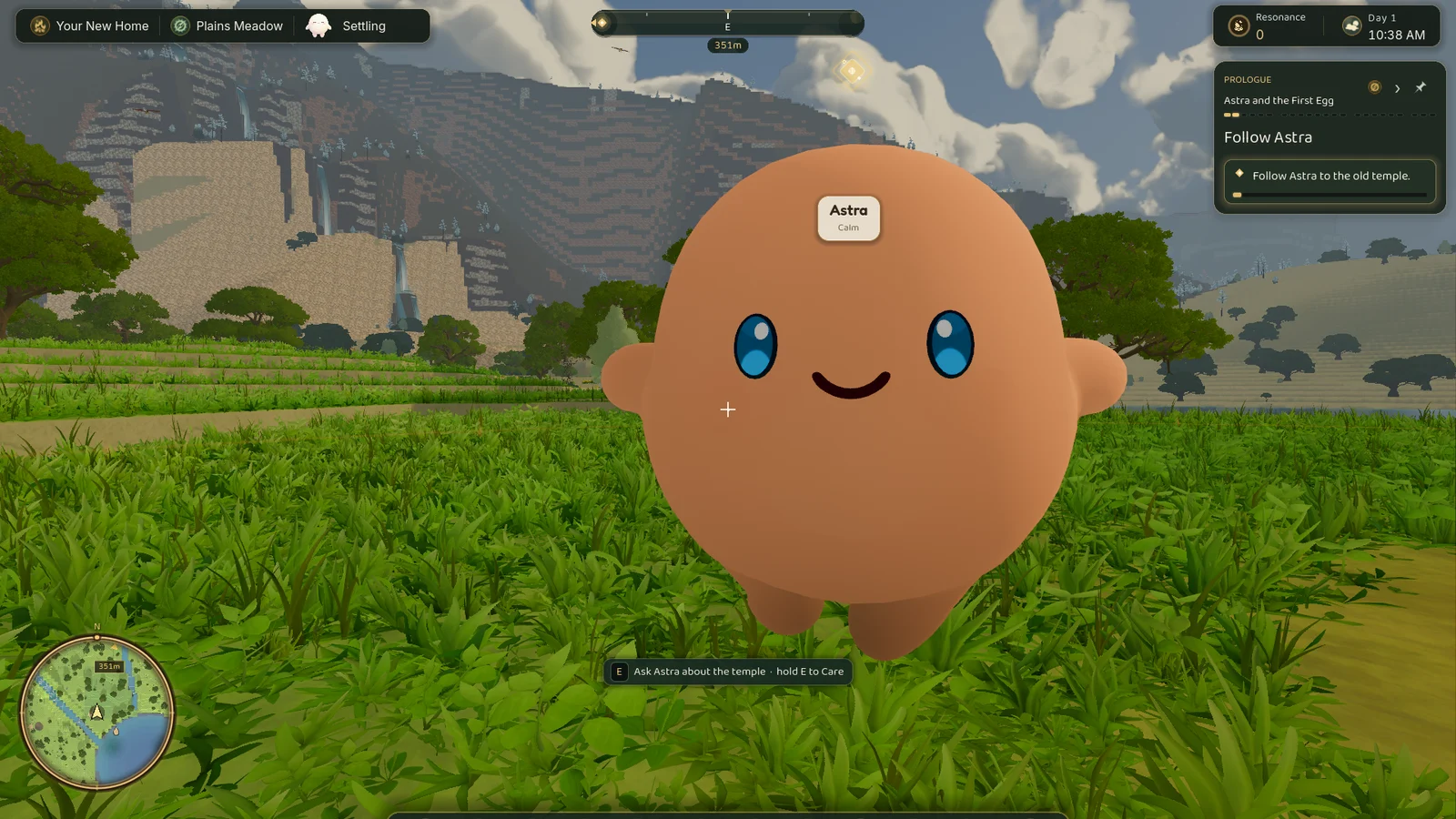
Story Mode follows the journey of a small civilisation of light trying to find its way home. You meet Astra, begin building a settlement, explore the island, and discover the mysteries surrounding the ancient Ark.
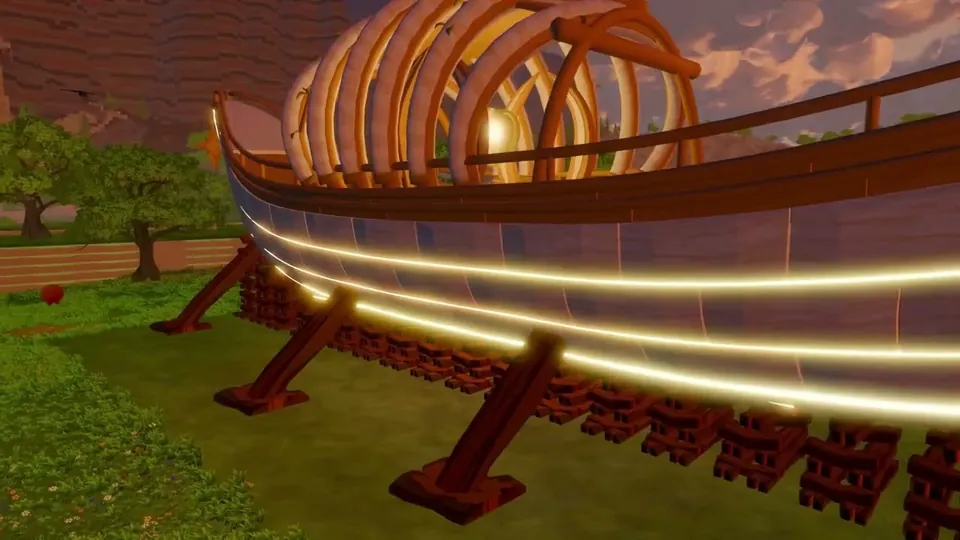
Colony Mode takes a different approach. Rather than following a structured story, you’re free to develop your own colony, shape the landscape, build homes, gather resources and watch your Luminids establish their lives.
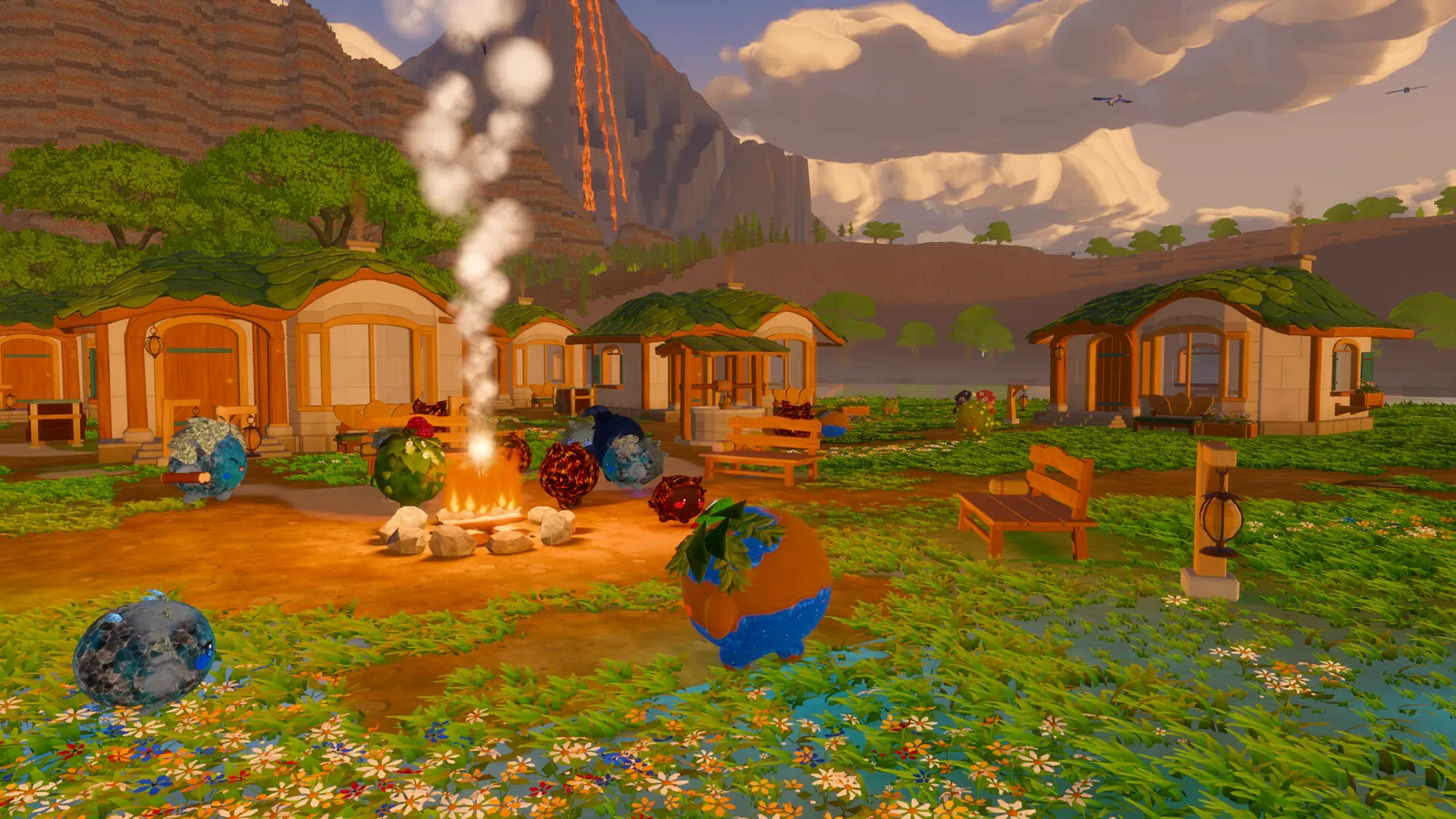
Both modes share the same world and the same underlying simulation.
That matters to me.
I don’t want the story to be something that happens in a completely separate game from the colony builder. The Luminids you meet, the places you explore, and the settlements you create should all feel like parts of one coherent world.
The story gives that world a history.
Colony Mode gives you room to make your own.
The First Hundred Visitors
In the first week or so, the demo reached its first hundred players.
The early average playtime was around forty-five minutes.
Those aren’t enormous numbers, and I won’t dress them up as something they aren’t. But they’re meaningful to me, because they represent actual people spending time inside something that, until recently, mostly existed on my development machine.
I’m also careful about what the numbers tell me.
An average playtime doesn’t tell me whether someone enjoyed themselves. It doesn’t tell me whether they found something magical or spent ten minutes fighting an interface.
It doesn’t tell me if they left because they’d seen enough, reached the end of the available content, or encountered something that needs fixing.
Those questions matter more than the number itself.
The next job is understanding the experience behind it.
The Work That Comes After Launch
A demo isn’t the end of development. It’s the point where a different kind of development begins.
There are several things I’m paying particularly close attention to.
The first few minutes. Does the opening communicate what Luminids is? Can someone understand the world without having watched every trailer and read every development post?
Colony building. The tools need to feel natural. Placing a building, assigning work, gathering materials and watching a home take shape should feel satisfying rather than complicated.
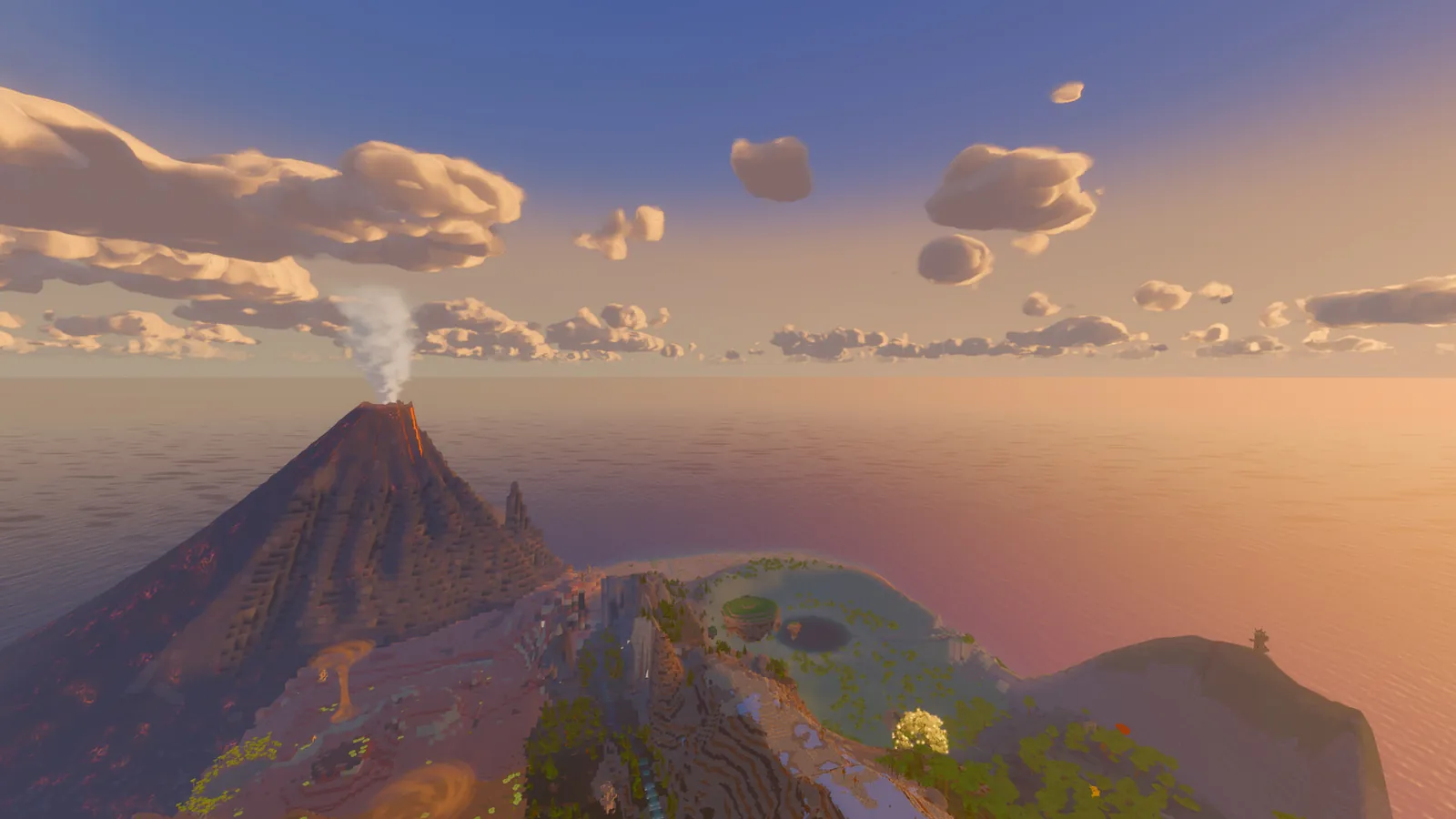
Performance. Luminids has an enormous amount happening underneath its calm exterior: simulated creatures, voxel terrain, dynamic weather, lighting, water and a continuous world. Making all of that run reliably across a wide range of hardware remains a significant job.
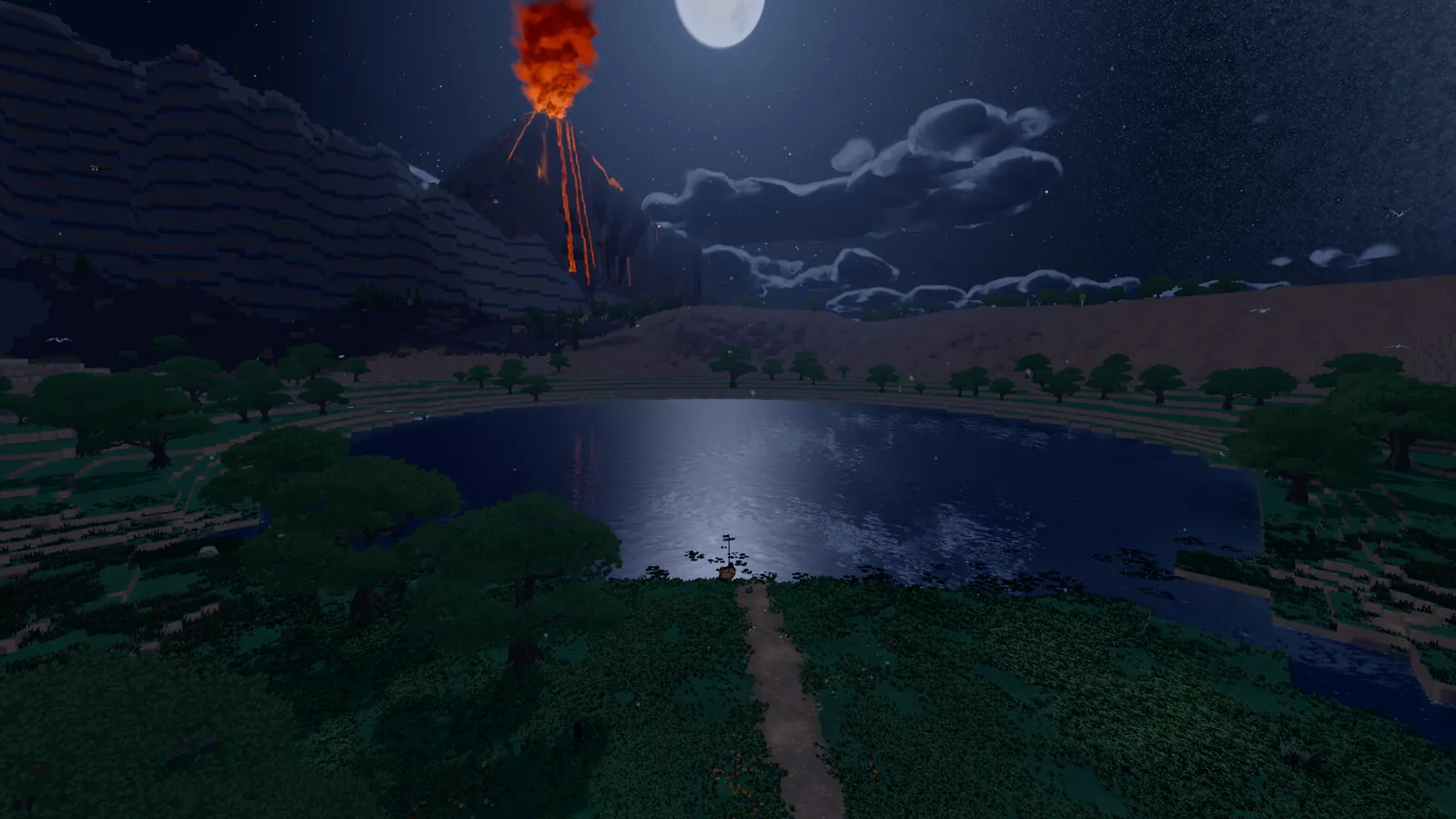
The creatures themselves. This is the heart of the game. If players don’t care about their Luminids, then the most sophisticated simulation in the world won’t rescue it.
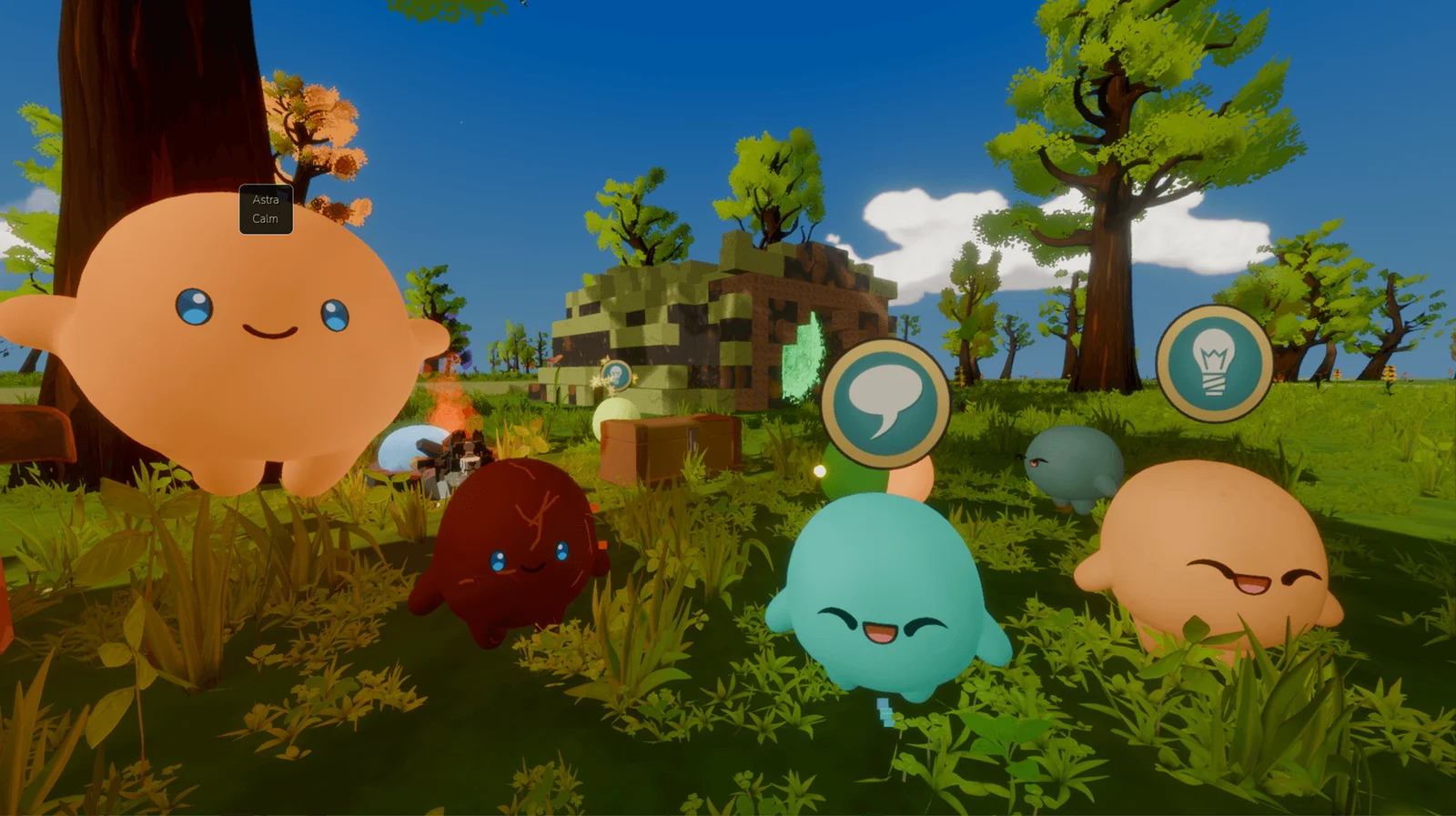
I’m particularly interested in the small moments. When someone stops building to watch two Luminids interact. When they recognise a familiar face. When they give someone a name and, without quite realising it, start treating them differently from the rest of the colony.

That’s the experience I’m trying to build.
Why the Demo Is Staying
I’ve decided to keep the demo available rather than treat it as a temporary promotional event.
I want people to discover Luminids at their own pace, and I want the opportunity to keep learning from them.
There’s a great deal still to do before Early Access. Systems to refine, performance to improve, interactions to deepen, and rough edges that only become obvious when someone encounters them for the first time.
But the foundation is there.
You can meet the Luminids. You can start a colony. You can step into their world.
And, finally, you can tell me what you think.
A Small Light in a Much Bigger World
I started building Luminids because I wanted to create somewhere gentle.
A game without combat, punishment or an endless demand to optimise. Somewhere you could build a home, meet strange little creatures, explore beautiful places and spend an evening without feeling like the game was trying to beat you.
That idea hasn’t changed.
What’s changed is that I no longer have to imagine what it might be like for someone else to experience it.
People are actually playing.
And after all the debugging, rebuilding, discarded systems and late nights, that feels like a pretty extraordinary thing.
Thank you to everyone who’s stepped onto the island so far.
There’s a lot more light to come.
Nick
Come and Visit
The Luminids demo is available to download for free on Steam. If you enjoy your time with the Luminids, consider adding the game to your wishlist or sharing your experience.